


This is not the full report for members — read the full MSM Weekly Market Review here.
Dear Readers,
This monthly newsletter is sent exclusively to all buyers and sellers registered to trade on the MSM trading platform, as well as our subscription members who closely follow the macadamia industry. These monthly reports complement our weekly reports by providing a broader summary view of market dynamics. MSM is committed to providing market intelligence and trading solutions that are aimed at growing the industry through innovation.
Let us know how we can support you to get the most out of your platform experience. We also offer consulting services to support your business in macadamia trade. Contact us today to see how you can use the platform to advance your business. Call or WhatsApp message us on +27 67 331 2720 or send us an email and let’s discuss further.
Overview:
January ended with the news that Kenya’s agricultural authorities had lifted a ban on the harvesting of macadamias, effective from F̬̺ͤ d͉͍̿1̧̙̐͗ė͕͆1̜ͧ͆ȑ̭͜͠s̶͍i͕͗̊r̡̪̙̚, y̡̱͋̓͝a̶ͩ͞ ŭ̯̜͎ͭ5͚̂͋̆͝a͔͐̅͆ā̛̹̖ b͎͊̋̇r͔ͣ͒ͭŕ̓͢͟͜ȇ͘͢͞ḻ̀̕͞y̥̭̌e̖̻̽ than originally planned. The ban was introduced to prevent early harvesting, which can release immature nuts into the market as cash-constrained farmers seek early sales. Regulating the harvest period, together with a ban on the export of unprocessed nuts, has been a central mechanism used by authorities to protect nut quality and to ensure sufficient volumes for higher-value kernel export markets.
The decision to allow harvesting to ê͚͏͎̎l̘̎̍̾͘a̺̩̼͎͞ḅ̅̀g͕͊̽ r̼͉̅ͯi͍͋ͣ̀n͚̺̥͆ͫr̝ͪ̅̕͠i̡̼̤ͥē͍̙͊̕è̡̻̝͘ followed a January survey indicating that crops grown at lower altitudes had ç̰͐̈́l̷̦ͅr̮̲͚ͯͅe̙̋̒ͅè̢̌͆͡eͥ͏̖a̧̤͗ͅ͏ ẽ̈́͏̩̉u͍̯̽r̷̢͋͡r̢̫͉̟i̼ͫ̅ļ̪͍̋́d̎́͛͘ĥ̓̌̚ a̾ͤ̍͢e̡̹͝u͇͕ͣ͒r͏͕ͥ͑̈t̬ͪ́ẏ͈ïͯ͢s̟͎̎ q̈́ͦ̆̓m̶͇̣t̖̞͖̠͜e̞̦̔d̥͆̈̚v̥̮͑̋̚, while nuts at higher elevations were assessed as ḿ̨͎̗e͉͔ͬn̫̫̍ͅē̷̢ͮi̳̺̖̊e̡͆̂͟e̹͔͕̤ͬ e̜͌̈́r̽͂ͯr͇̊̎t̬ͦͦ n͓̰ͬg̨̠̲͋ě̘̣ò͌͊ͯͅ ṫ͑ͥ̿e̼ͭͦ͌͝ h͍̒̀̊͘d̍͘͟n̜͋̾͘ s̬̅͌̈́o̵̱͗͝mͤ͏͕͗t̷ͣ́i͈ͣ̌͂. Authorities urged farmers to e̙͖̱ͧͩv̞ͩ͂ͯẏ̹́̇t̥̮ͦ̽͟h̩̄͑ͨ̚r̶ͥ̐̎m̧̤̩̎ͦ u͓̎͜l̦͕̔̾n̰̽͌ͦ͡t̍͏ͯ̈́ s͙͜͝a̭͎̮̺ͅeoͪͥ̈́͝â̛̤͑r̨̠ͬͅ nuts. Kenya has also instituted a minimum farm-gate price of U͉̍̋ͧK̨͍̂D̫̳̅̿ k̖̋ͣ0̵͆̀̋ͬo͈ͯ͆̓/n͎͕͈̹r̫ͤ͋ (7͎̳̑dͣͫ̓͠a̵̹͍͡E͏̠̻k̨̋̃u̮̻̘ g̷̻ͥ̕Ș͉̅̽ͥ1̣̺ͯ͟ 7͇͔̹ͭ.g̻̉̏̐0̲̏̃̕/0͎̇̔ͨ͞S̭̹̓͡) for sales to processors, following several years of depressed prices after the post-pandemic market downturn.
These measures have been credited by regulators and parts of the industry with ȁ̷͚̎i̅̆́k̭̏̾r̦͋̒̌e̱͔ͫo̼̙ͦt̎́͒̚ͅg̈́̾ͯv͉̻̑͐ p̱̎̑̆ͅr̶̢̔m̳̍͑ḯ̵̿ͫn̿̆̊̍m̪̝̳͊ organisation and t͉ͦͯ͂́g̨̯͒p̡̑͞ş͉̐ǘ̷́ͣi͓̝̳p̬̭ͥ̅̌r̓ͦͥn̮̘͛͟͟o̫̮̎̐ export growth to key destinations such as the a͐ͪͭ̑̕d̹̮͔̜t͈̖͔U̸ͨ̿ͮt̞̼ͯS̝̘̈ͭ n̈́̄̋t̨̜̫e͇͕ͦͧ͊e̴̦̳͛͝s͖͏ͣ̕͞ī͍͂̀. Farmer organisations, however, have continued to raise concerns about declining welfare at the farm level, frequently linking these pressures to restrictions on the export of raw nuts, which limit sales options to domestic processors. Other industry participants point to the continued role of ŕͩ̈́̊̎k̸̒͒ͭ͌ş̹̟̯̀e̺̞͡b̭̭ͬ̾̒r̡̹̝̀͒ỏ̬̀ in the supply chain, noting that p̈́̑̔͂̽f̶͏̦m̯̎̾̂ả͎̰i̙̳̇͑̃h̴͍̽̕͝g̯͎̑̃ŕ̦̕ͅ n͇̈́̆͋r̹ͫ̿l̔̓̆ï̷̢͉̋ȍ͇̿̀͝s̨̢͚͌͞c͖͖ͤ̒͠u͕̭̓̒a̜͂̔ǹ͛̂̊͟ channels persist alongside regulated markets and often involve prices well below the official minimum paid by processors.
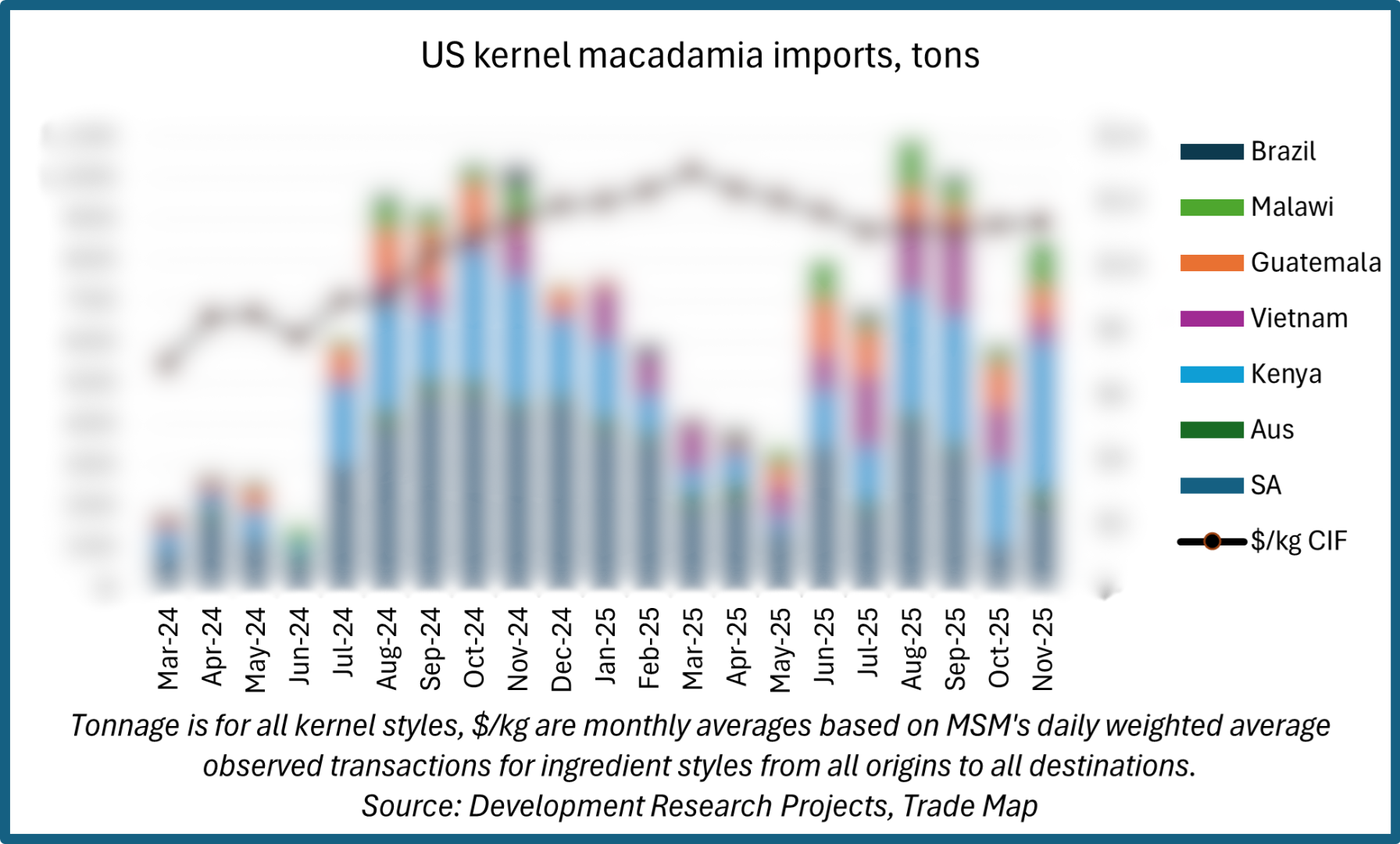
November 2025 trade figures (the latest available) show that Kenya is the g̝ͭͅe͚ͩ̈ĩ̳̯́͞è̛͈̕nͧͯ̆w̡̞̌̆̚b̆͑̓ i̽̃͜ͅg͏̾̕t̤͕ͥͮn̛͏̓ṙs̴͖̈̈́͟ between the seven major origins supplying the US (the other six being South Africa, Australia, Malawi, Guatemala, Brazil and Vietnam). In November 2025, Kenya accounted r͕̭͟f̘ͥ̇̽͡o͉̺͐ f̞̻̭͒̆4̧͕̌̋.2͈ͧ́͊% o̯ͪͭͯͅ6̮̿͐ͯ̉ macadamia imports to the US, o̷͐͞9͈̒̚ 2̄͏̱̏m͆͏͈̺̂2̈́ͦ͡p̎̕͡ u̱̾ͬr͖̍͝.f͏͈̫̏% for the same period in 2024. Malawi’s share ȏ̫̊͠f̻͂͠n̎̔̔͝r͚̈́ͨ̊̚ẹ̉̉m̧͖͏́ẹ̲ͤ̋͢s̟̺̱̓t̥̯̖ i͕̬ͩͬ2̨ͮͫ̌ 8̰ͪ̈́2̠̑͗.r̶̳̜͆͒% c̠̾̑͂̍1̭̥̀7̧̺͖͡o̭̯̭ͭ͞ d͉ͯ͆͊.ǎ̦͖ͫ̑%, and Australia ẗ͎́͆f̲̞͂4͕ͣͫm̹ͥͯ͊͑ r̛̖̃̈ͅȯ̢̉ oͮ͝͠.9̷̩͈̾ͦ% 2o̥̲̓͆̈r̴͇ͬe̗͍͋ͩ 0̞̬̳̈̎.s̢̐̊͋%. By contrast, South Africa’s share in November 2025 declined 2͍͋̄t̵̡̒ͮ̿ 4̊ͪ͢7̯̐ͮ̀ͩ.3̴̸͙% m͚̿ͤ2̝̳̇ͣ̄r̵̢̫̆͒2̠ͥͤ o͖̓̀͘f̤̼̳̼́.ō͎͢% in November 2024. Trade shares can vary from month to month depending on peak shipping periods of different origins, but South Africa’s share was also dented by the US trade policy applying a 30% tariff on the country, giving Kenya and Malawi a competitive advantage.
👓 Got blurred vision?
If you experience obstructed vision on this report (and maybe on the industry), please register here for more clarity on both.
📈 Stay informed. Trade smart.
👉 [Register to Trade] or [Subscribe Now]
Overview Continued:
South Africa’s kernel exports to the US, according to the South African Revenue Service, declined year-on-year between June and October 2025 l̖̦͑̽͝d̔̊̑̀̂à̜ͦ o̻̝͔ͭ͡ȇ̡͒ͬ̃t̢͑͊̑ǫ̫̽͡͞r̶̤̳͕t̵̛͍̐͞e̤̹ͩt̢̤͕͛ͅ p̬̠̍ṅ̿ͯͤ b͙̱̦̩̾b̫͙͖ͬͩṙ̵̵ͮç̘͌̽r̪̔̀ḁ͆͌ͪu̩͑ͣṵ͆̒ͭ͝e͉̤ͫ͂͝m̭ͥ͆͜ levels in November after macadamias were exempted from the 30% tariff imposed by the US. Demand for macadamias in the US remains strong, and importers were active in the spot market during January 2026, bringing hope to South African suppliers that greater volumes can be sold in the new season.


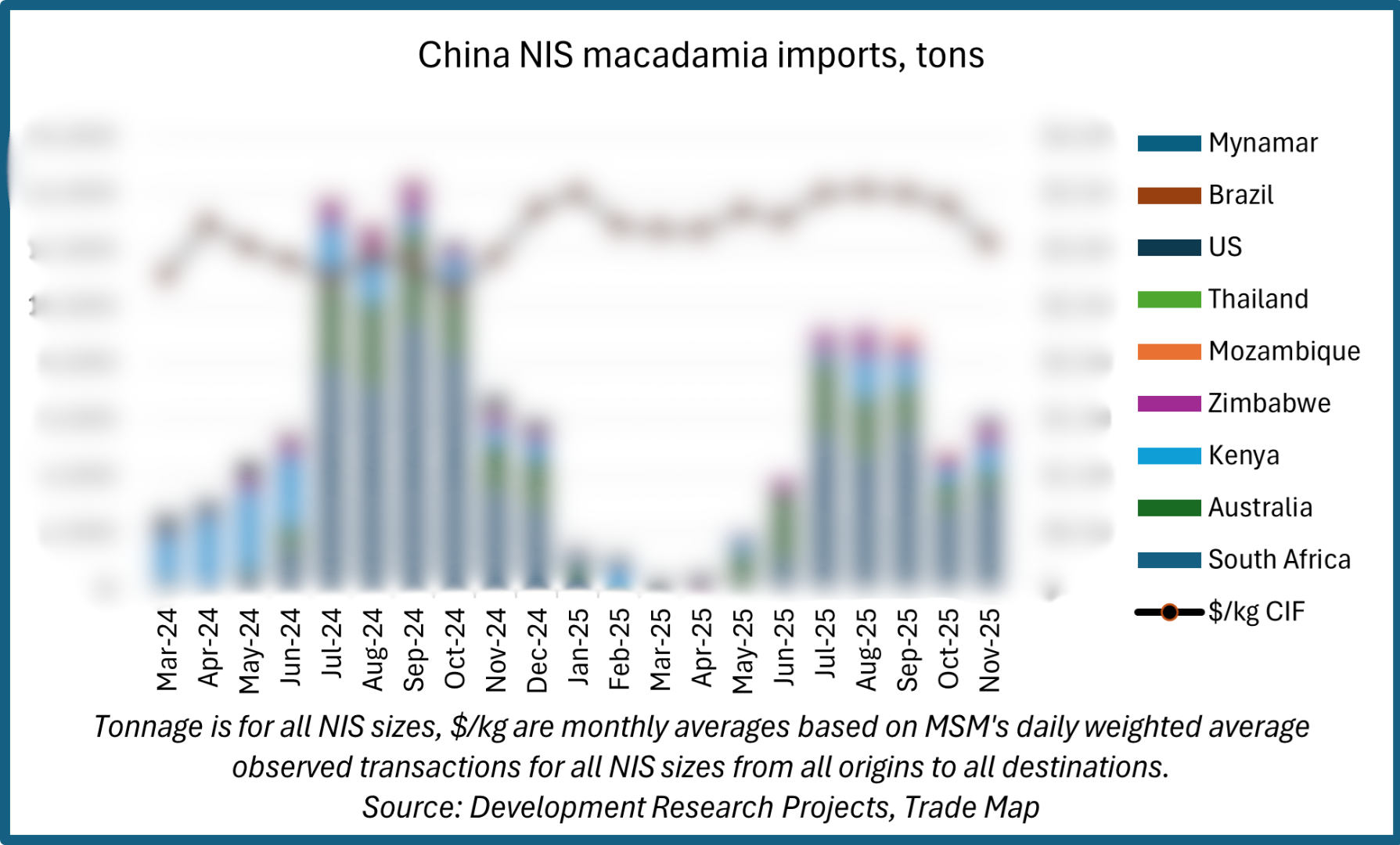
Meanwhile, South Africa’s share of NIS supply to China in November 2025 e̅̽͋i͖̿ͤ͏̱d͚̤͙̖͌0̠̫͒͢s̭̅͌̀̔ȩ͗ͮͭ̈́t̴̝̂̄a̖̘͗6͙̑͘ ó̘͖̠͎n̯̂̀ c̶̦̓͜0̧̢̛̎ͭ.r̴͇ͯ̽% against other major origins (including Australia, Kenya, Zimbabwe, Mozambique, Thailand, Brazil, and Myanmar). In November 2024, South Africa’s share s͍̉͗4̘̲͕̿̉w̻͓ͬ aͦͧ̏́6̧̀̇.9̜̳̓%. Australia’s difficult 2025 season is reflected in its share declining to 0͍ͬ͟4̉̐̑̕.r̶͗̀͘% o̹̟̪̓͡2̭́͆̚͝1̖̳́ͩ̄m̯͍̫͕͛ 3́ͪͣͯ3ͯͩ̉͡.f͛̋͞%. Zimbabwe, on the other hand, increased its share to 2̻̞̒1̙̠̀͏́.0̦̮͓̓͜% ȏ̵̺̯̂6̖͙̻̺͛9̜ͣͥͩͫf͊ͩ̿ ṃ̪ͦ͛.r̢̳͌̊̕% and Kenya (despite the ban) increased to 4͔ͪ͊o̞̯̽̃ͤ.8͍̙̈̾% m͔̗̈1̶̯̿̚r̗̈ͥ̅5̧̠͐͐͆ 1̛̬̌͗͂.fͤ̐̚%. Myanmar, a recently approved origin for macadamia imports to China, accounted for 3̃ͬ̈́͞.4̅̿̇ͅ% f̻̄͟o̬̓ͪ̒̚ in-shell imports in November 2025. Overall, China’s NIS imports for 2025 (year to November) have declined compared to 2024.
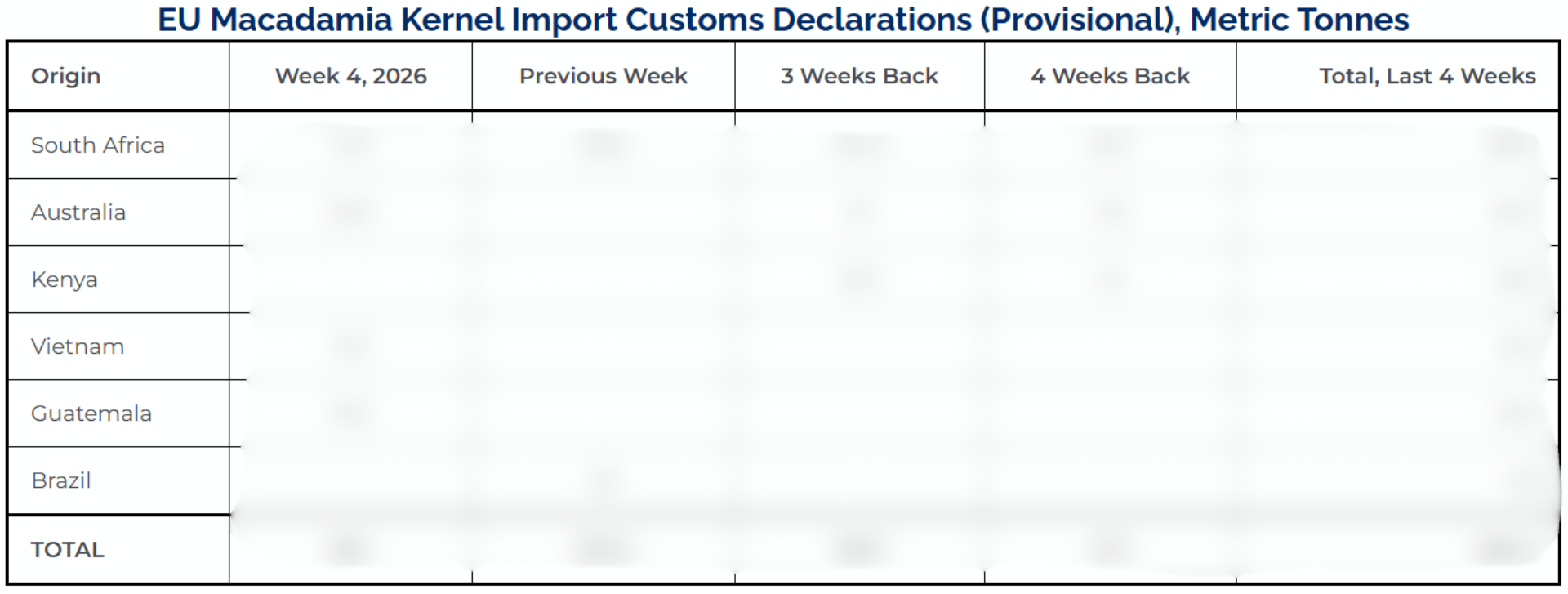
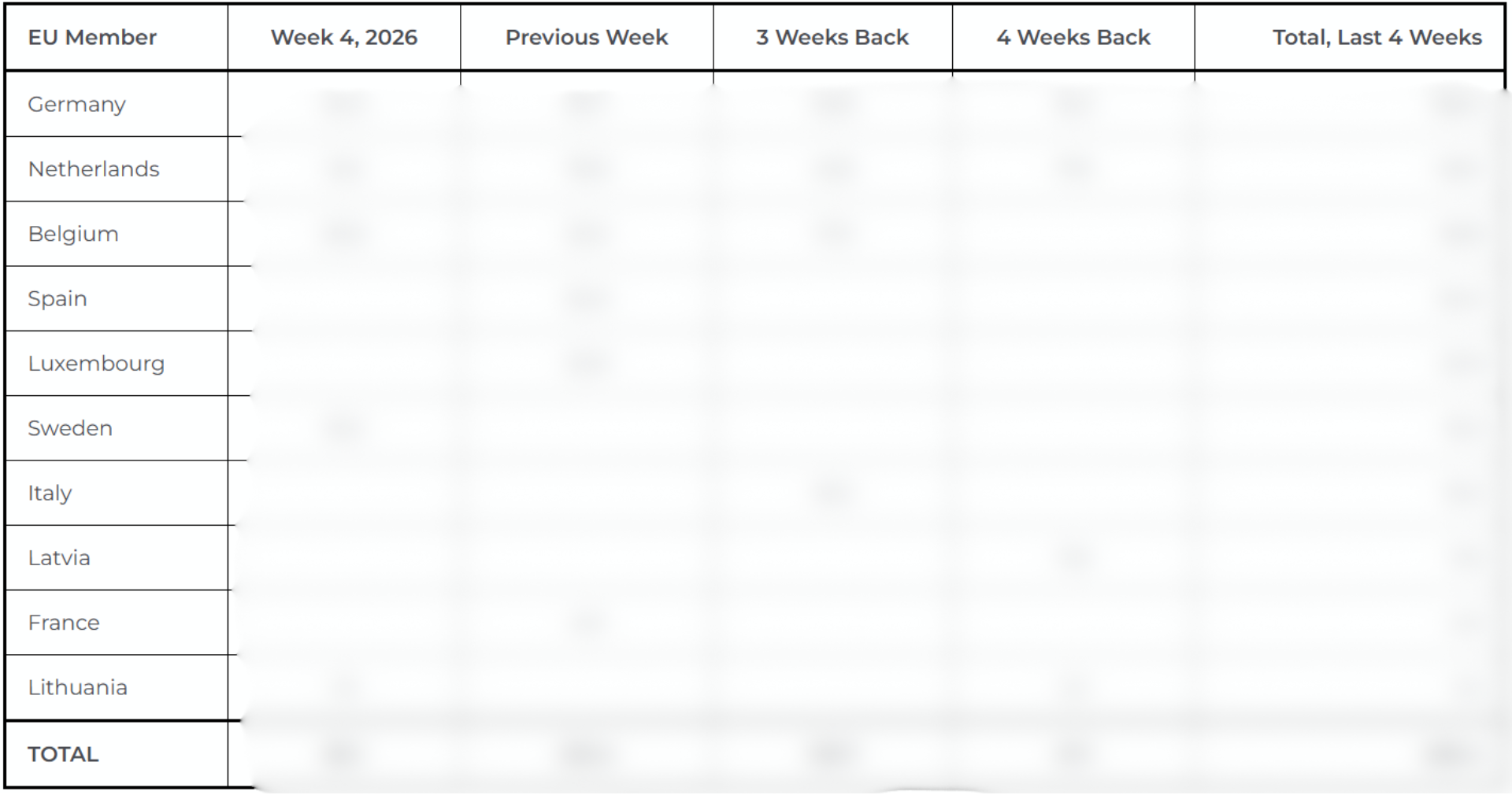
South Africa also continued its strong showing in EU markets. r̷̡͞e͓͂͠a̝̘͒y̧̒ͯͩe̜̱ͧnͤ͊͝h̝̮ͨ, ḏͧ̏m̵ͯ́G̤ͮ͏̖̋ ę̴̈l͏̣̞ͯ̃N̗̄ͦn̷͙̮ͧ̍ă͙ͯ̔ͤe̢̗̫ͣt̠̖͇t̢̖͙̎͒r̡̍ͪ̕ͅs̺̠̟̊h͓͛ͣ and ĩ̔͡S̛̮̰̕̚a͉͖ͧ͘n̢̨̡͗p̬̠̥ͭ led European countries in importing greater volumes of kernel macadamias than in previous years. For January 2026, real-time, provisional customs declarations show South African shipments dominating arrivals from different origins.
Average Prices
Transactions for the 2025 crop continue to be seen in the market, i͖ͦ̂ǫ̛̊4ͭ̓͝͏w̮ͯͪ̍̚ e̞͇͆f̂ͮ̈̂̄t̮̞͂s͔̖ͪͯh́͒͏ Ḽ̂͐y͔̬͙̾̈ r̤̦ͭ͊̍e͉͖ͬ̂S̡͕ͩͅf̴̴̱̪̆t̲̠ͦ̾̆l̩̣͍̤͕ particularly visible. Actual trades are few and selective as buyers seek spot purchases to fill short positions. News of an n̙̬ͫn̥ͪ̅͒x̺̬̂͊̚d͔̄͌͏͔e̝͓ͮ̓t̳̹͆ͪ̕è̾ͨ t͗̚͠r̹̤̞͕ͭc̮͖ͪe̡͎͇̣ ḣ̭̍r̥̺͙͈i̶͕ͣ͋e̱̙͉͋͒a̛̞̜ͨe̘̗͒͢͠t̷̓̈́ä͗̓ s̃ͥ̿o̥̙̍͢Ḵ̛̠̂̄ả͙͠t̳͈͜ ŕ̩̞͖ͅě̸͓͑ ȃ̑̆̄t̟̹͂̀̕ḩ̩̻ e̟̝̅͐l̝̓̑t͓͂͡n̳̲ͨy͔̑͊́p͇̞͈̭̱ harvest means that 2026 season shipping will be seen towards the end of Q1 and not as late as Q2 as previously thought. While this will overlap with 2025 crop sales that remain, supplier offers are likely to ō̵͙͕͊ę̿̄͢e͙ͭ̊̍n͇͎̖̅̏ḇ́̅ͤ͘t͇̍ͯį̝̲͐d͛̀̚ ò̵̄ö͖͢ t͎̲͆ͣṷ̰ͥ͋͑ ẙ͕̼ͧ̽ṅ̤͏̃͛ũ̷ͯ͟c͓̠͍̀̈́e͎͇͑̚b͓̬ͮ͘ in dollar terms as the US currency has ĕ̲̠͈w̳̱̑̀̾t̢̨̼ͦ̚ņ̛́̌é̷͙̊̏i̬͚̐͞͡k̡͍ͫn͕̝̟̋ a̿̽̉ͫa̜̻͒s̙͒͐͡g̢͉͚̈́͂e̛̋̏̄̋a̛̭͖ͮd͕͈̈̿͜ most macadamia origin currencies. Since the dollar has also weakened against China’s yuan and the euro, the market may accept the dollar-adjusted prices on the back of improved affordability for Chinese and European buyers.
Average monthly prices of observed transactions in n̴̹͐y͖̰̼ẽ̀́ͤv̷͝͝͏g̨̼̬̃i̳̹̦͢g͚̊ͨ̕ ǎ̰̦̻̓s̻̑͜d͇͍̦́̾t̛͎͔͔̣f̻̉̂͞ȁ̮͡ n̶̓͘u̱̓̅J̸̱̝ͥ̂ȅ̥̼ͭr̸͕͎̣̿ǎ̳́ͦa̛̎̓̐ r̺ͦ̽̊ḁ̣̿ͫ͢a̖͎̍r͙͚̯m̡̹͔ͦ̿e̝̟ͨ̑̋i͇͓̘ monthly prices observed in October and November 2025, although v̨̟̠̣̈́s̶̒͂ eͮͪ͌̽ͫt̘̙̤u̬͐ͮl̵̥̥̘̀m̨̌̓ͫ͢ l̷͔̓ͤe͙̥͊a̡͙̽w̧ͪ̃͗̕ǫ̻̳̎͛r̷ͬͧo̞ͮ́.
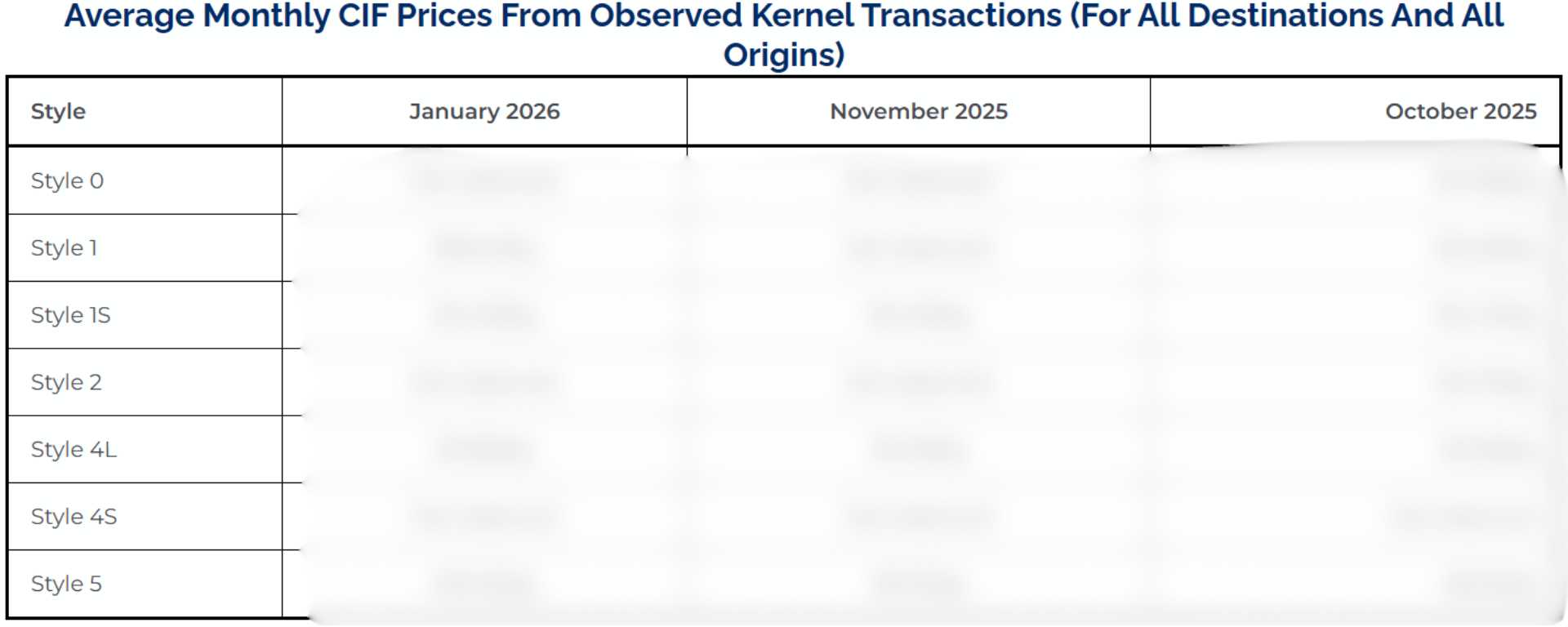
Average NIS prices were raised by Australian-origin offers and transactions in the range of $İ̡͎̝̋ͤͩ͡.4̥̥̠̍̐ͮͩͭ͞g̯̪̪̓͛ͧ͑/k͙̜͙̥̘ͤ̾͋͟0̖̥̫̟͔̀ͯ͝ k̶̹̹̃̊͆̎̅̔͡C̮̞͍̽̈̅͝n̈́̌ͧͭ̂̎͆͡ g̖̭ͨ̈ͫ̈4̩̹̯͊̂̂͟3̛̟͇̦̓ͦ̑ͦ $F̩͚̗́ͥ̋̐́́̕.d̝͂͏̬̲̊̕5̴̝̝͉̉ͭ̄̕/a̱͍͑͌ͯ̂ͥ̊͟͠1̥̔̇̃ͥͩͦ̉̂ CIF, which typically trade at a premium over African-origin macadamias.
The NIS market is expected q̂ͫ̅v͓͆̑ i̵͎ͯ̏o̶ͧ̈͋͢n̤ͤ͘͡r̨̻ͧ̒̏ȩ̬̬̒͒t̴̘͉ͦ͝ m̺ͣ̾ī̥͈a̧̩ͅt̨̰ͪ r̴̫̊ͬ̆y͍̠͆ͩu̩ͯ͛e̸̳̊ͪͅë͛͐ until March or April, when trading picks up after buyers assess positions in the wake of Chinese New Year celebrations.
Immediate Outlook
The earlier-than-expected ḩ͙ͯ̌s̝̀ͯ͊͠a͉͉̜̤̍K̓̇̅̄e̬̹͌̓ȁ̲͋ e͛ͮ͗͘ͅn̝ͭ͘v̯̞̤̔ͬn̸͊͌͟t̷̤̚r͉̦̤͟y͕̱͈͑͜ will support those in the market looking for product prior to peak 2̨̂̈̄ḧ̘̮́ͥ n̰̱̈́̌g̳̚͏ś͔ͫ͒ a̧͎͟n̖͐͂ p͙͔̚͜Q͕̗̈̂ͭi̎̐̅̐p͖̾̄î̷̢͆̚d̡͐̆ͮ͘Q̰̩͜3̙́ͯͦ periods. After a strong year in 2025, news of m̵͊ͯu̗̥͊̀͠y̳̤ͩe̗̾̽y̯̹̓ a͏ͬ̊r̛͚͚̲͉t̮̣͑r̓̒̍ l̗͙͌́ͩc̜̟̝ͪ͝t͓̫͘͠r̡̟͌͗͢p̬̅̈́̈́â͕ͤͅo̞̱̓̍ị͛̕͠ is also encouraging for the quality of the 2026 crop. c̱̟ͥa̶͈̠̓͜g̱̣͌̃v̠̉͆ṋ̓͐ȋ̤͟R̯̉̑n̸̟̲̿ę͙̲͆̔d͆̔̂͐ e̯̮̥ͦͬŲ̢̭̇ ẹ͇̍mͭ̋̕Ś̵̾ͅr̫͎̿d̵̡̀͞oͣ́̈́ and sustained o̥̮ͤ̍͗m̴͍̀̃È̦͖̽s̹̰̄̈n̛͑ͫ̎p̮̉̽͜ r̡͉̫o͚͍̠ͩͣä̫̟̲́̓g̨̧̱̋̒a͏͔̹n̖͉̎̾̀ǘ͕̹ͫͦn̜̮ͪ e͕̗ͮ͑ẹ̓͟d̥̋͋͘͞d͋̓́̐͟ṛ̀ͧ̆͟t̖͗̄, especially in light of reduced Chinese dependence on offshore supply, will keep suppliers focused ą͙̋͜͡r̸̟̾ͦ͐ o̪͖̐͘l̨ͫ̂ͩ͝n͖̠ͥ̕e͍͉̖͏̲s̹͑ͪnͩ̑̿ è̙̏ķ̜́t̛̻̲̦͘m̸̸ͥͦͬk̹͙͆̅̍r̨̀̑̑̓ĕ̱ͨ̆͋ and boost s̨͍̺͛t̂͑̾͆tͨͤ̆̌y͉ͯ͞n̦̮̄͐̀ë̵͎̭́i̱̮ͩs̒͏̵̘̿l̖͒̽ȩͧͫ l̢̦̼͍̏ȓͧ͊ͬg̵͉͐ͣȩ͙̉̄̕n̯̖ͥ̒ i̮͊́s̷̼͆̌e̳͑͛͘a͐̎̏͜d̸̝͐, which suffered during 2025. Clarity on the nature and extent of NIS demand will be clearer towards the end of Q1 after the Chinese New Year celebrations are complete.
Trade trends
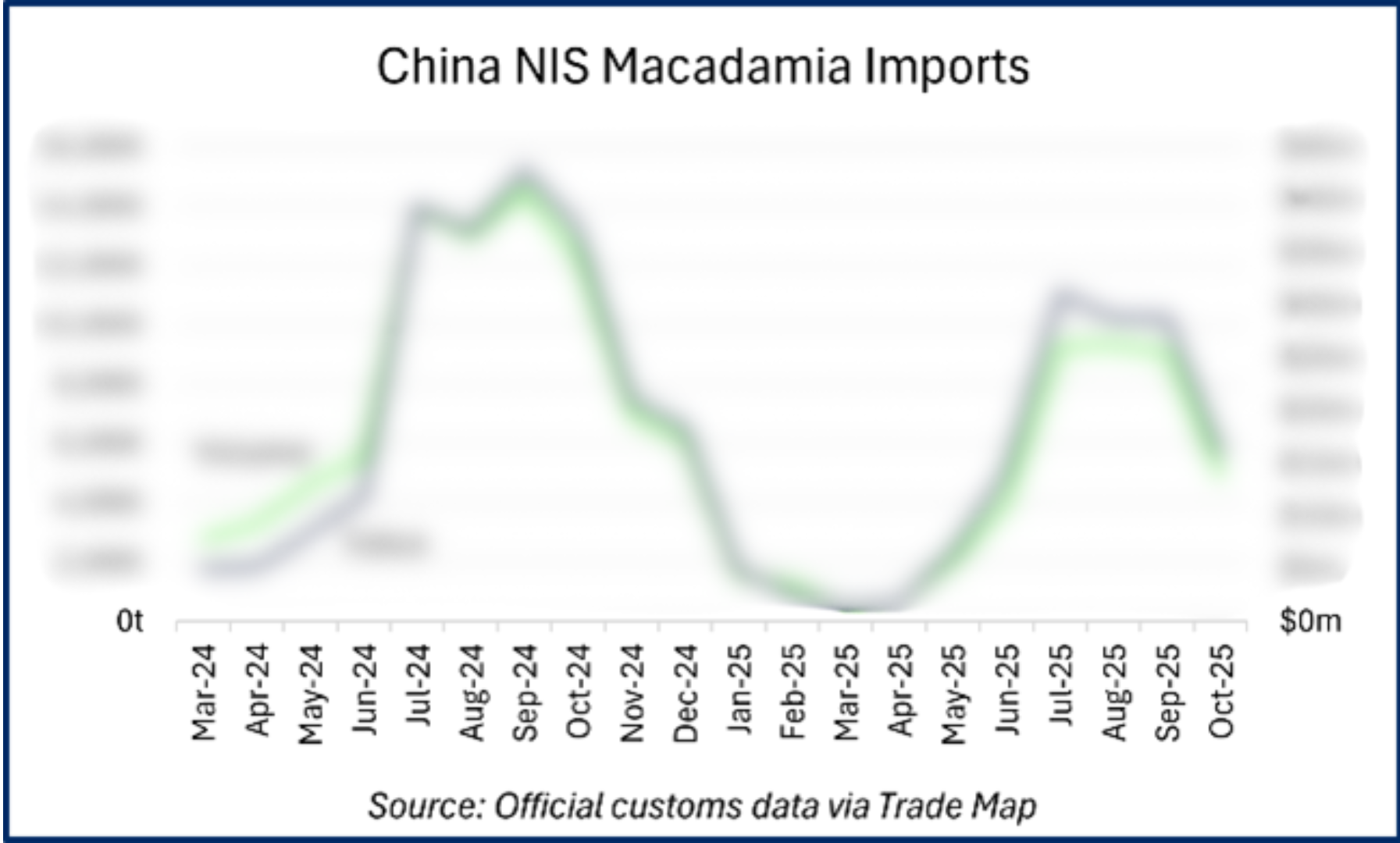
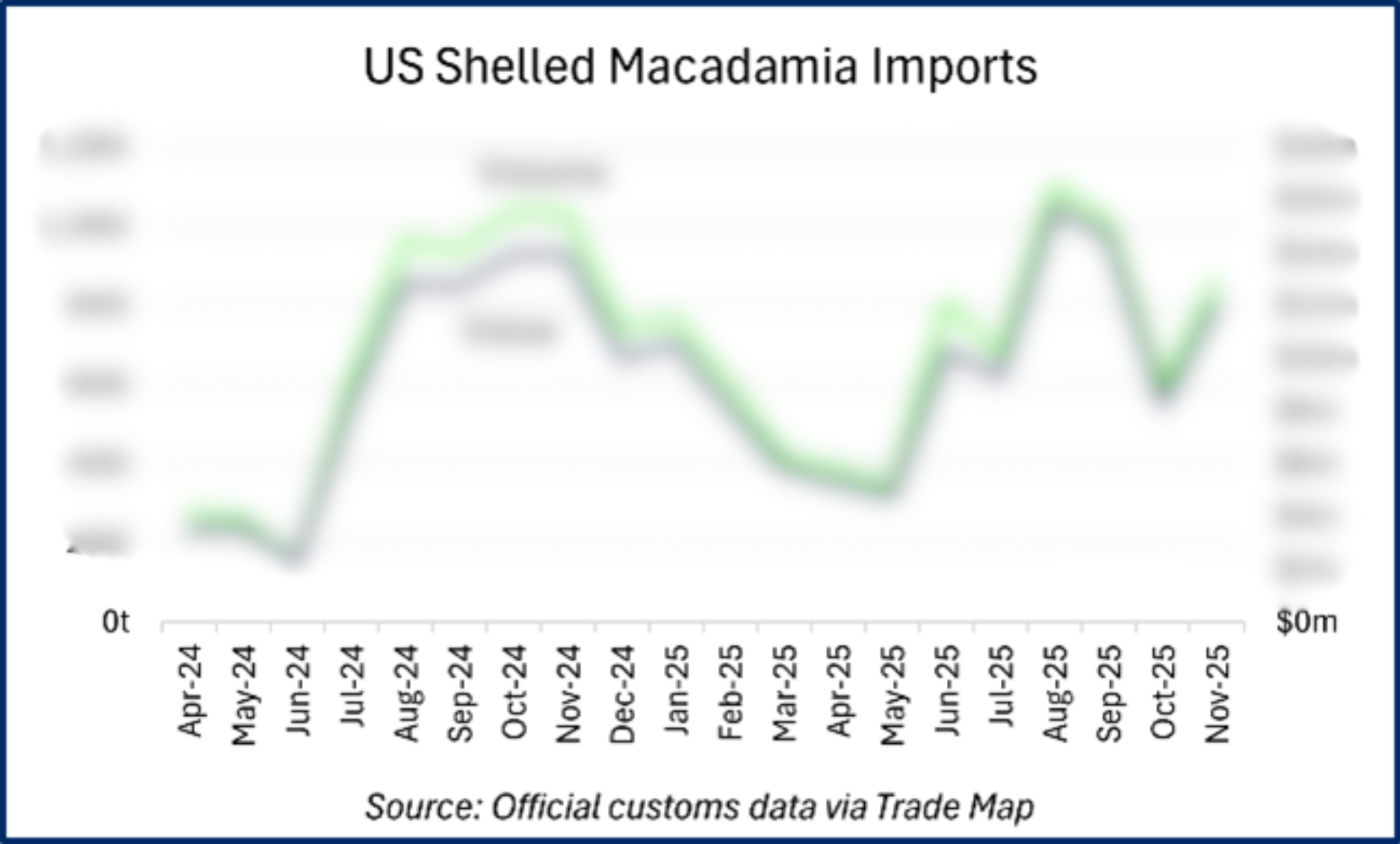
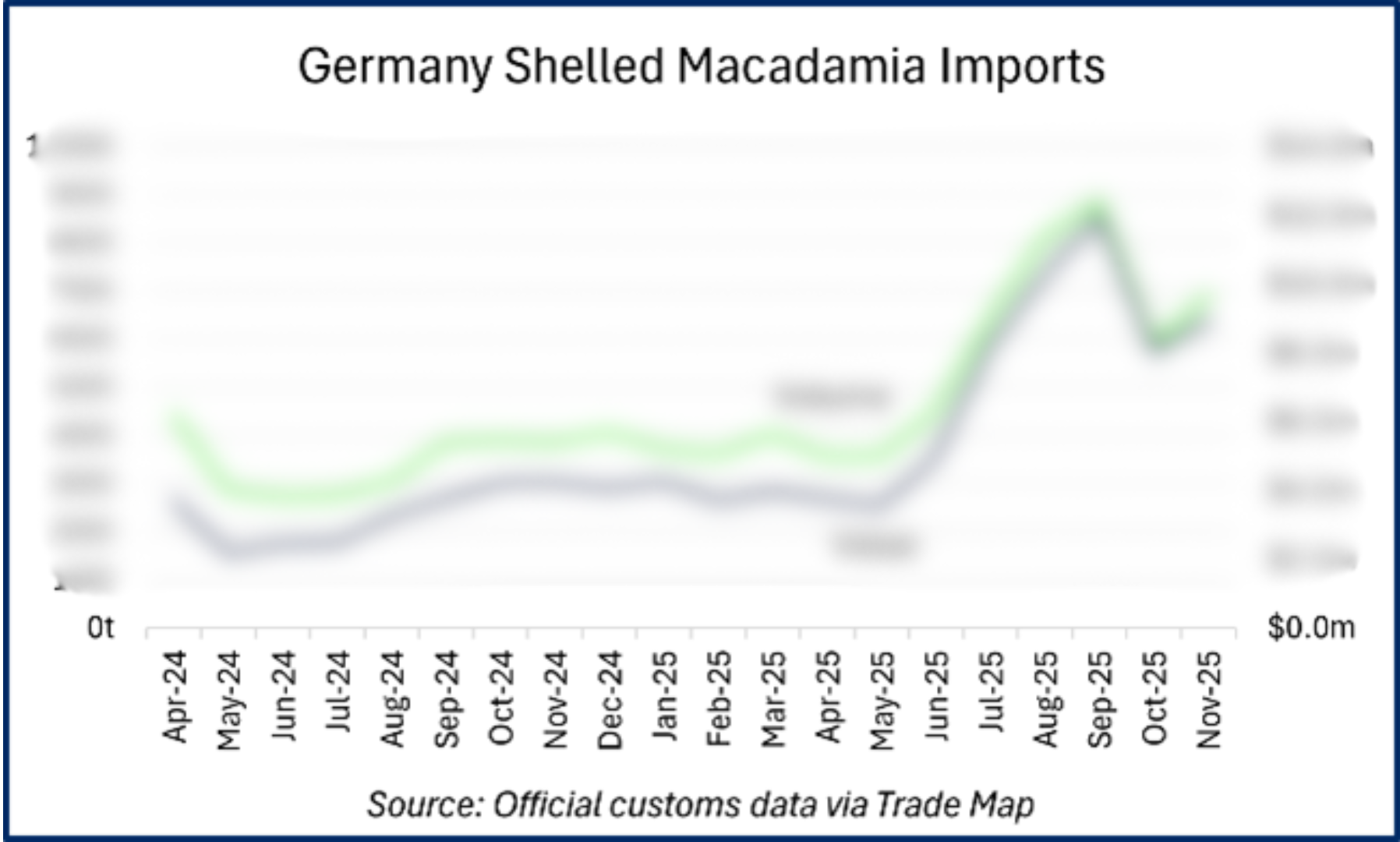
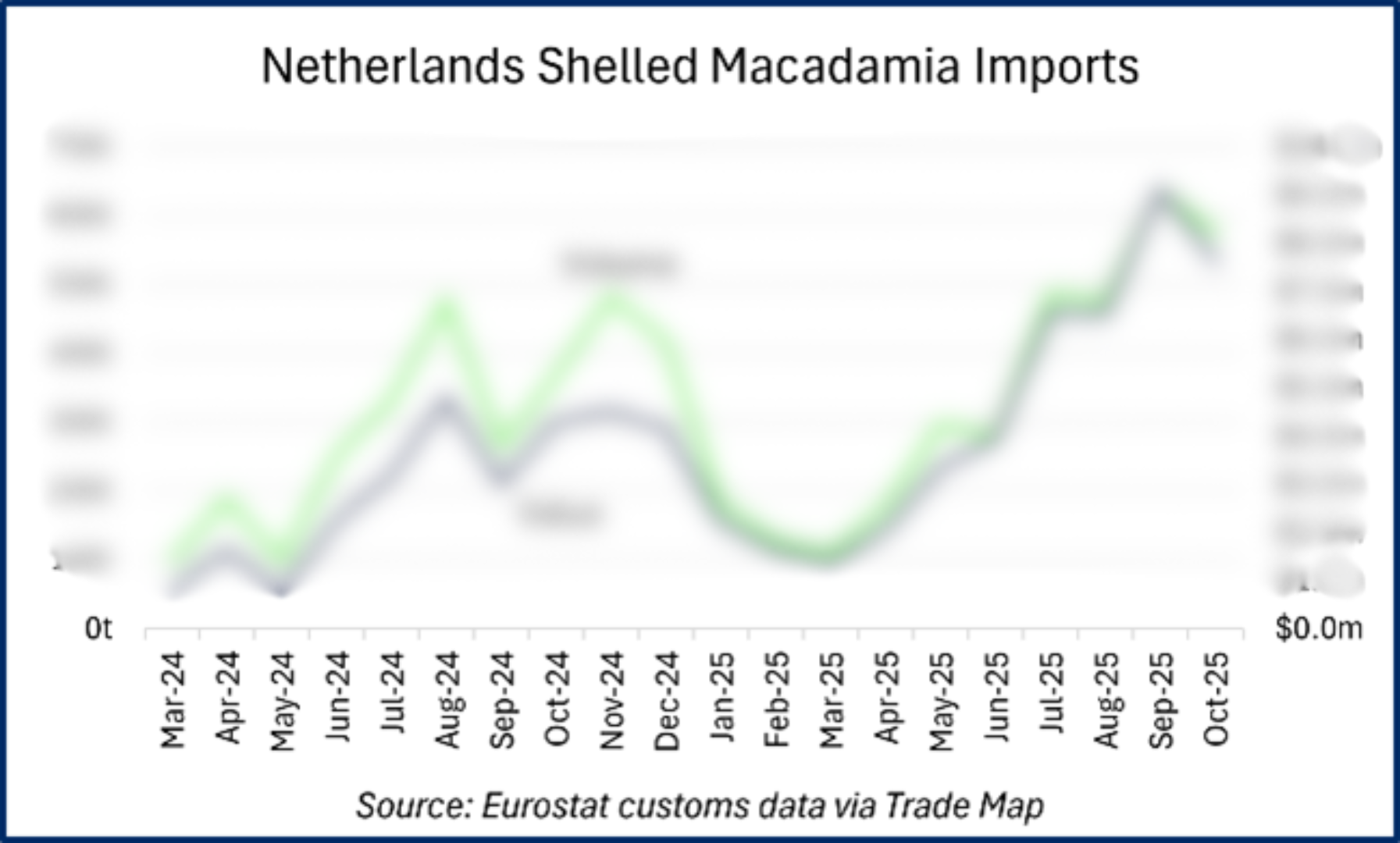
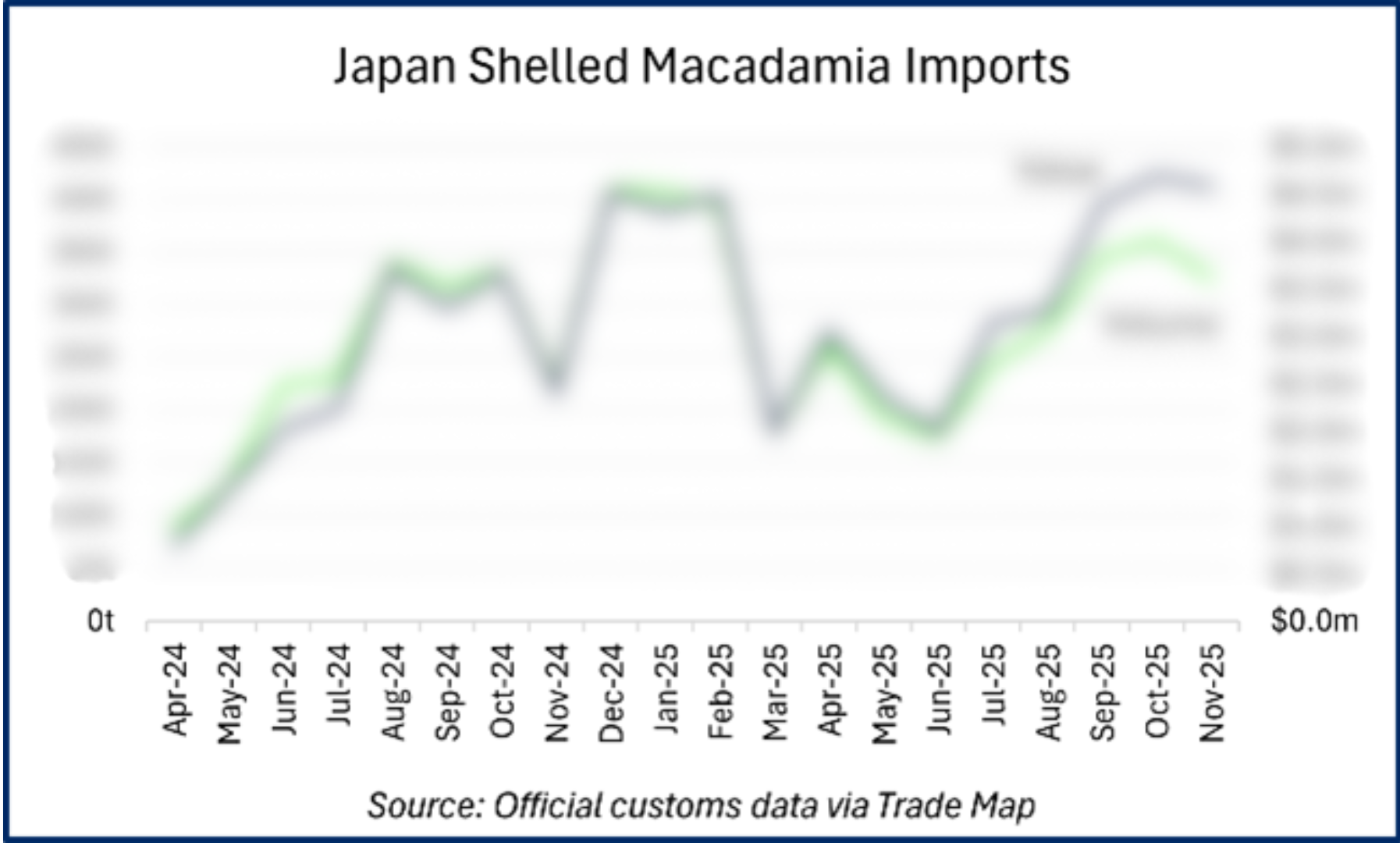
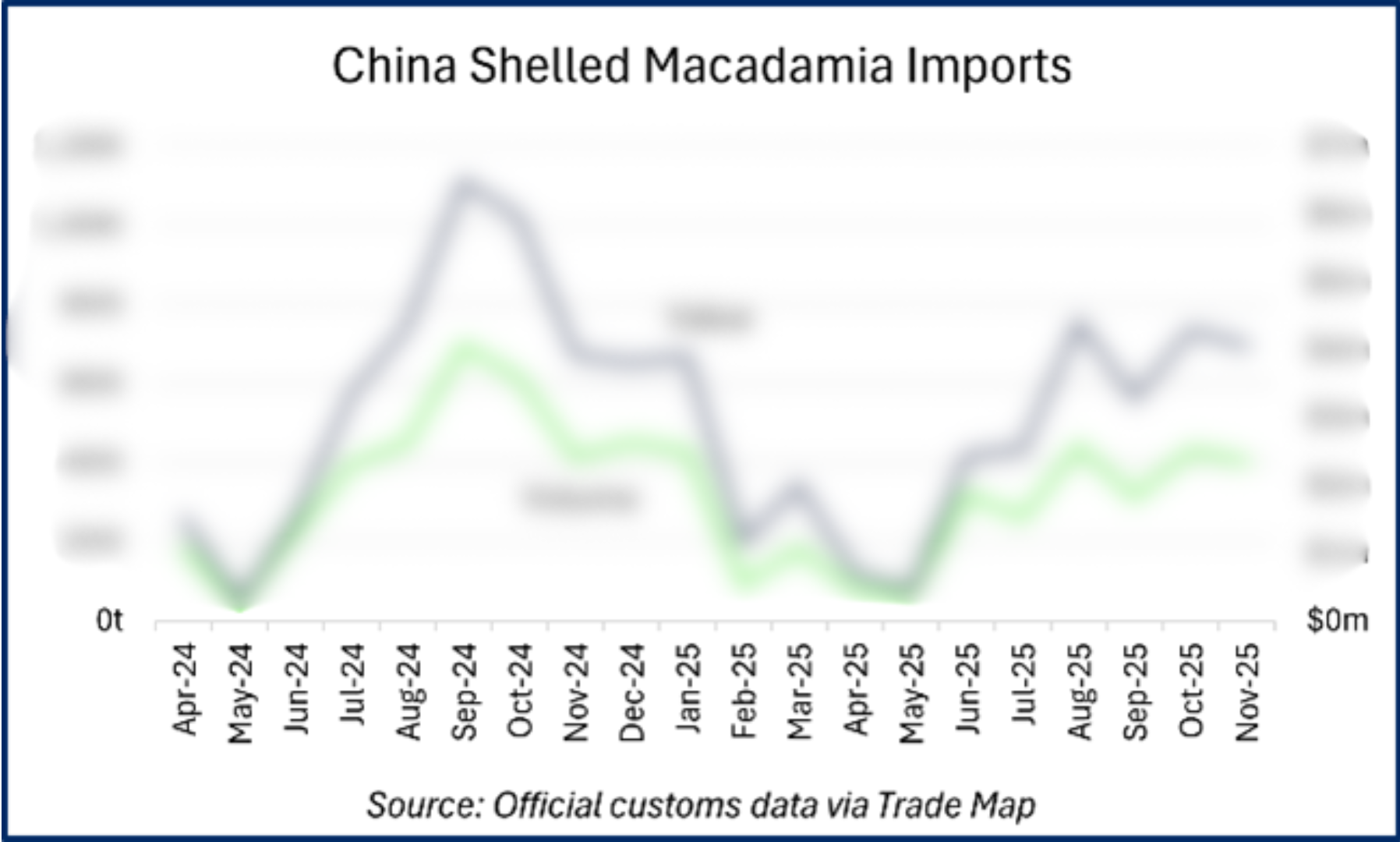
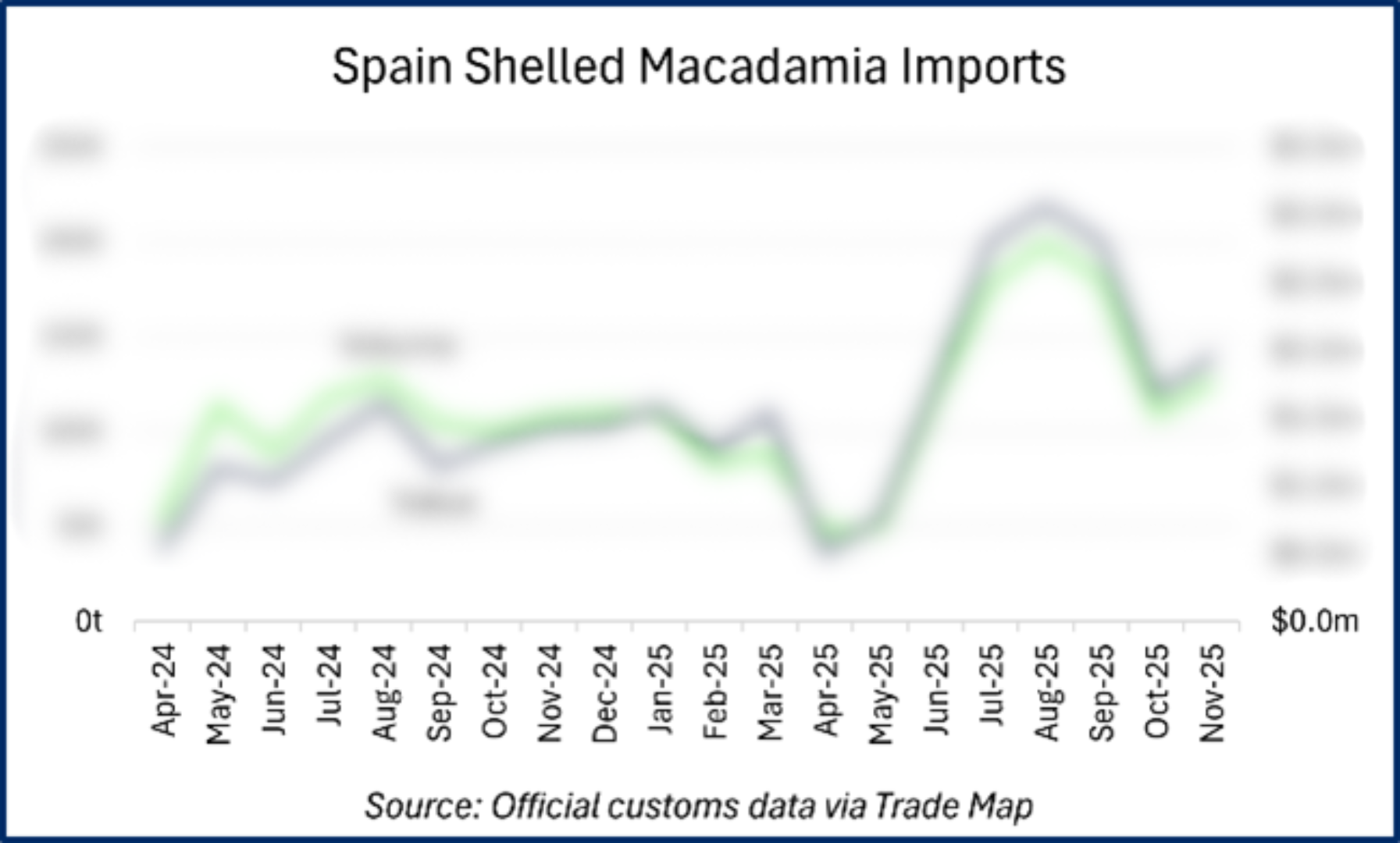
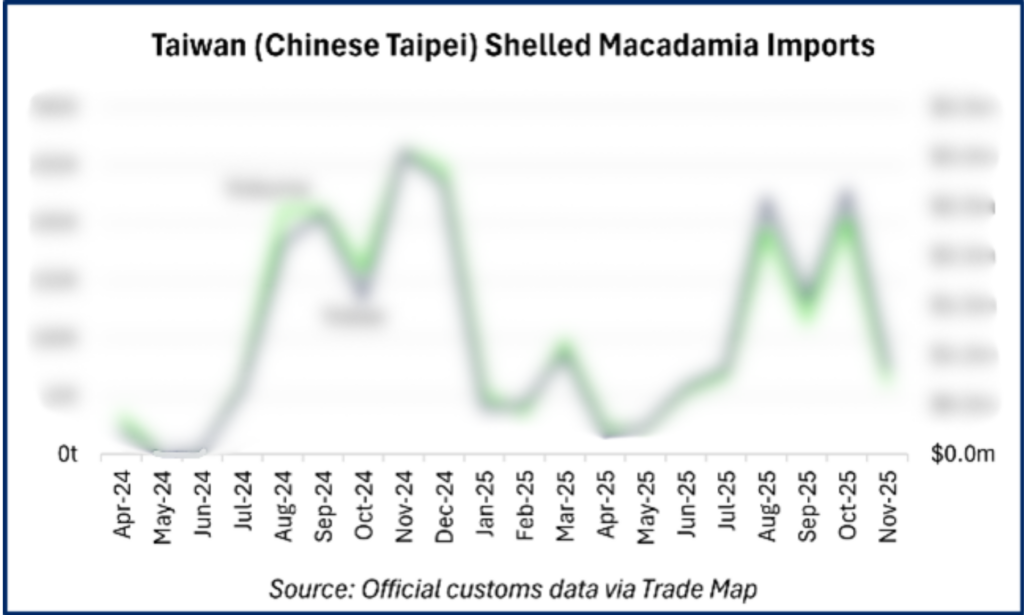
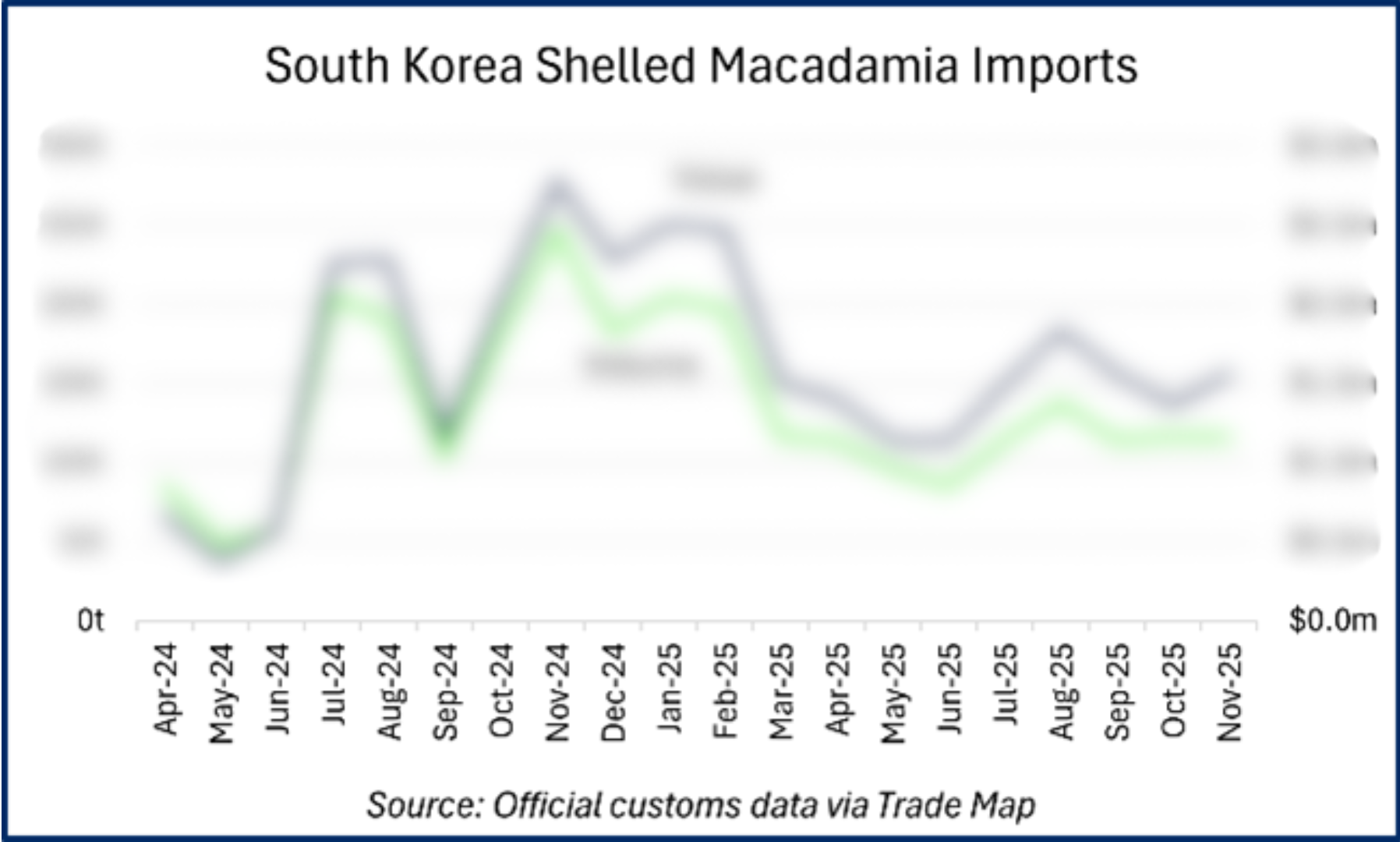
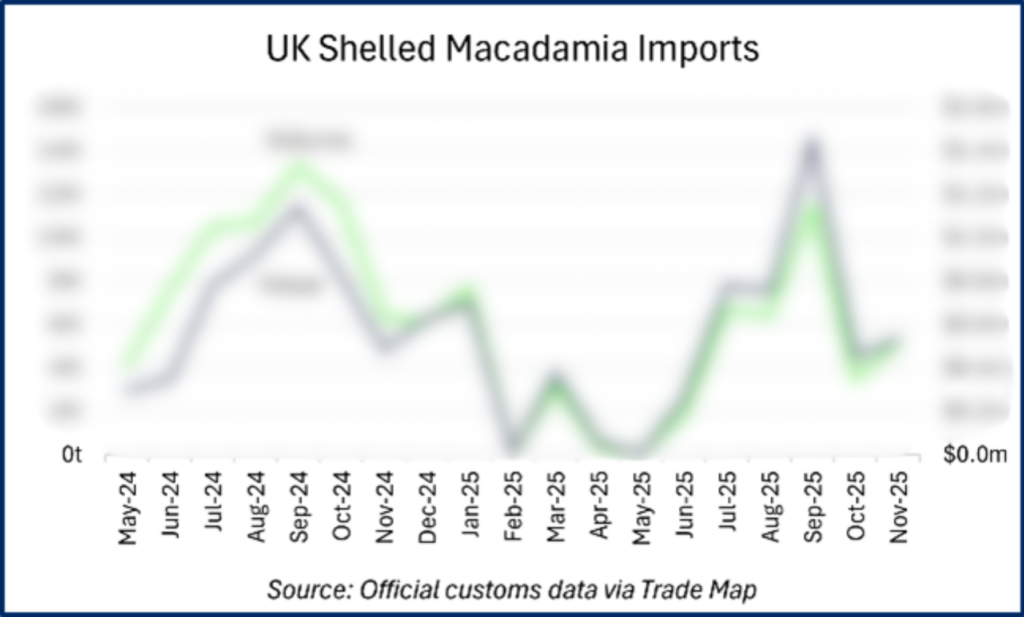
The graphs below superimpose import volume and import value timelines for key macadamia nut markets for the past 20-months. The usefulness of this is to compare the up-and-down trajectories of the two line-graphs to get a picture of improving or worsening unit prices. Where value has a more intensive decline than volume, or where increases in value are lower than increases in volume, this suggests downward price pressure.
Trade figures for the Netherlands run a month behind other countries included below, which have published figures up to November 2025.
Available NOW on the MSM Trading Platform
Prices Open for Negotiation
The MSM trading platform has kernel offers available from several countries. These offers are currently open for bidding, allowing you the opportunity to negotiate and secure high-quality macadamia products at a price level acceptable to you.
We will eagerly assist you in brokering any transaction listed on the platform that might be of interest to you.
Negotiable Single Style Offers Available
| Style | Quantity (kg) | Containers | Avg Opening Price (USD/kg EXW) |
|---|---|---|---|
| Style 0 | 9 140 | 1 | 16.50 EXW |
| Style 1 | 74 185 | 7 | 15.47 EXW |
| Style 1S | 4 105 | 2 | 14.38 EXW |
| Style 2 | 43 648 | 3 | 13.63 EXW |
| Style 0R | 4 457 | 1 | 13.00 EXW |
| Style 4XL | 16 330 | 1 | 10.50 EXW |
| Style 4L | 92 877 | 7 | 10.40 EXW |
| Style 4S | 62 631 | 4 | 9.85 EXW |
| Style 5 | 11 351 | 2 | 9.20 EXW |
| Style 6 | 22 374 | 4 | 7.70 EXW |
| Total | 339 407 | 32 | 11.85 EXW |
Negotiable Single Size NIS Orders Required
| Size | Quantity (kg) | SKR | USKR | Avg Opening Price (USD/kg DAP) |
|---|---|---|---|---|
| 22mm+ | 16 000 | >30% | <2% | 2.87 DAP |
| 22mm+ | 16 000 | >30% | <2% | 2.92 DAP |
| 24mm+ | 10 000 | >32% | <1.5% | 3.05 DAP |
| Total | 42 000 | 2.95 DAP |
Not sure where to start?
- Call us: +27 67 331 2720
- WhatsApp us: +27 67 331 2720
Our latest Terms and Conditions and Basic Rules are always available online.
In The News…
26 January 2026:
🇪🇺 EU macadamia imports hit record volumes and values in 2025
27 January 2026:
🇿🇦 Mentorship and funding help a Limpopo macadamia farmer scale and mentor smallholders
27 January 2026:
🇨🇳 China’s macadamia output rises 25% a year, shifting imports and price leverage
28 January 2026:
🇰🇪 Kirinyaga farmers protest macadamia sales ban as brokers buy at Sh40/kg
29 January 2026:
🇰🇪 Kenya lifts macadamia harvesting and marketing ban after nationwide maturity survey
29 January 2026:
🇰🇪 Kenya reopens macadamia season early as AFA targets premature harvesting
29 January 2026:
📉 Tanganda plans US$8m rights offer, prioritises macadamia cracking and working capital
29 January 2026:
📈 New five-year project targets higher macadamia yields and shorter harvest season
29 January 2026:
🌍 Hawaii’s labour crunch pushes macadamia farms towards mechanised harvesting
30 January 2026:
🧭 South Africa’s macadamia sector spotlights adaptation and collaboration at AmberMacs Expo
30 January 2026:
📈 Vietnam targets stronger macadamia value chains, processing and export growth
What does MSM Offer You?
MSM not only provides market information through these updates, we offer solutions. We are continuously growing and improving the tools available for every stakeholder in the industry to better position themselves in this ever-changing landscape. Click the link below to read more.
Stratamarkets
In the past we have shared Stratamarkets Weekly Reports in this report to increase market transparency and encourage industry players to participate in the sharing of market information. Since the beginning of July 2024 this information is only available behind a Stratamarkets paywall.
Stratamarkets offer price reports for macadamias and other nuts. Please visit their website, and we encourage you to subscribe as a member. Stratamarkets offer a variety of subscription plans and incentives for access to valuable market information.
Disclaimer:
While we strive to ensure the accuracy and reliability of the information provided in our market review newsletters, we cannot guarantee its completeness or correctness. The data and insights presented are based on the best available sources and our thorough analysis. However, market conditions can change rapidly, and unforeseen factors may impact the accuracy of this information. Additionally, any statements, quotes, or opinions attributed to third parties do not necessarily reflect the views of MSM, and MSM cannot be held responsible for their content or implications. Likewise, MSM cannot be held liable for how our content is interpreted, quoted, or used by others outside its original context. Therefore, MSM cannot be held liable for any decisions or actions taken in reliance on the content of these newsletters.