


This is not the full report for members — read the premium MSM Weekly Market Review here.
👓 Got blurred vision?
If you experience obstructed vision on this report (and maybe on the industry), please register here for more clarity on both.
📈 Stay informed. Trade smart.
To access the full reports👉 [Subscribe Now for a Clearer Perspective]
Or
to access the full reports
-15 June 2026–
Dear readers,
MSM exists to make macadamia trade more transparent and more strategic. Through market intelligence and our trading platform, we help participants track real demand signals, improve price discovery, and manage risk as conditions shift through the season.
Need support with your platform experience or consulting for your macadamia trade? Call/WhatsApp +27 67 331 2720 or send us an email.
In Summary
s̸̱̭̱͞S̙̜͜l̬̤̞ͫu̠ͪ͛́͘o̢̘̩̠e͊̀̚e̓̉̂g̙̙͛f͓ͪ̃͢ n͖̳̠̐n͇͋ͤ͘ͅr̯͇ͯ͝p̯̬͎p̰̳̲͑ẗ̶͑ͬ͟i͎͌͆ͪi͓̞͟ offers in recent weeks signal i̵̋͜͏̝e̱̥͑ͫu̶̠̯͗̈́r̟ͦ̽ͥt̩̺̾̚s͌̋̓̔ͥs̃͏̙s̪̩͈̑̍p̱͓̳͒͞ ȅ̴͓̼ͩu̵͂͋ͪ͟d͉̂ͪr͓̅͛ͬ̕nͩ̾ͤȅ̳̀͢s̜ͥ͊ă̛̊ on macadamia growers after a o͇ͮ̐u͎̫̹͊t̷̞̕͜͜t̙̩̗͙͜h̠̺̃̉̋ s̤͂̓͛a̠ͭͪ̐ŗ̬̟̜̃o̟̯̚g̜͛͛ t̶͋͑ͤt͖ͤ͊ͤ͡ the year, driven by a weaker dollar, spikes in diesel and fertiliser prices, and supply disruptions at times for both of these critical products. Supplier offers over the past four weeks have averaged l̈́ͪ̔̓ͅť̗̪̗͡y͎̔̿̇t̯̠͙w̘̲͂͡ ë̞̾d͓̠̏͢r̶̬ͯ̔ḁ̙̳̅-ḙ̇̎̐b͔̞̎-o̶̠̣ͤͪą̗͛͞e̩̖͡o̢ͣͫͤ̇ averages and year-on-year comparisons, with a͙̪͈̟f̸̠̔̌͊Aͩͩ̾S̼̀͋n̟͌̽ ḑ̠̭͙̆r̭ͯ̑y̵̺ͣe̶̻͙͘o͂͐̏ǎͪ͊͝ t̪̘̱͐K̦ͯ̄͢ḭͯ͑͑ u̖͑̆a̰̍͛n̞̮͙̎ͤç̛̼ͪ͝h̡͈̹̿ particularly affected.
Market Update
Attention has once again been drawn to the position of macadamia farmers, with renewed calls in recent weeks for the ò͑̃͠y̩̱̱͒̽n̶̳͉̲n͂́̕ĺ̖͑̑è̷͒ n̵̺̑ͣi̘̘͖͋ẽ͍ͦň̅͡t̀̆́͘͝v̬͊̎̏t̼̣̥͌ȑ̗͘o̱̰͐͟g͙̋̍͜ i̖ͥ͘n͇̏͠ e̝̍̂a̖ͫͫ̽t̋̌͛ͣK̙̠͐ͣ̚ f̛͔͐̃͑š̲ͣb̹̝ͧ̑͡ a̠̫ͭm̢͉̲͕̏t̥͂̈́̀̚ on macadamia exports by local growers. e̜̩ͤ͆n̺̰͐͗ť̡̜̟̈i̺̯̾̇ì̱ͫ’n̮͎̓ͥ͘ c̢͍ͪs̷̖ͨ͂K̷̟̿t̵̙̅̾s̥̀ͦ̆r̪͆̈́̑ͮy̑͒ͤ͡á̖͢o͉̙̘ͯͫě̦̿r͈͌̃́ on raw exports aims to force localised processing, thereby increasing job opportunities and securing a greater proportion of value for the country before export.
The situation in n͌̇ͧa̭̓̓͞ŷ̳̖͙͜K͙̽̚͜͝ê̻̰ͪ is fast developing, with farmer associations claiming that processors are not absorbing the full harvest, leaving them with no alternative markets under p̲͔̓t̡̞̉̓̔h̴̵͎̻̄ e͏̧͚̫̈́ọ͞ấ̒e̜ͯ͗̚r̞̒ͯ̐n̯͂ͪ́ x̣̿͗̓͘t̻̋͋̒ͅb̷̨̃͐͠. A processor association confirmed that factories were physically unable to source nuts from the many farmers spread over growing regions, making the industry dependent on middlemen, who have been seen to xǒ̱̂͗r̥̜ͭ̚rͩ̆ͭ̑v̹̗͖̥͜s͇̹̝̦t̥̦̉̂̐ f̈̇̇͜l̙̞̰̹t̟͈ͩ ạ̯͠l̠̞̾̀ļ͚̀̆̃e͙͉̰ͬņ̮̒ẹ̀͟r̖ͭ̎ͥ͛’ ả̅͛̚h͍͚̗́ͤè̢͖̜͢b͍̈́ͭp͉͋̒͌͋ẹ̩̠ͫͤe̢̖̺ͧ̆u̝ͤͮ͐i̙̳ͪ̏̃m̢͌ͧ̓̃ position. There are widespread reports that growers can receive 3̡̭͍ͩH̘̤ͮ0̯͗̑͆3̤̼̩͋o̴̝̭ͫ̔/k̵͖̱̇̕2̳̯̀̆͜ Ḵ̯̎5̶̀̚̚͝ k͉͋ͅŮ͓̳̾0̴̦̒ͤ̍U̲̓͂ǫ̼̳̹̳/9̨̎̑t́̉́ (0̷̳͙͙̃ẗ̢ͯ͞$0͉͐͆̃͝.S̼̒̔̑g̣ͤͣͮͣ Ĥ̶̢͝S̜̳͉ͣ S͉̗͐̊g̱͒͆$3̛̮͗.S̪̩̥͆K̮̭ͩ̏̒) instead of the government-recommended 1̟ͩ̂͟͡0̞ͬ͑͂͜7͍̝̿̆g̼̤͝H̶̘̀ͯ̈0͂ͦ̿̕/K̎͐̒S̨͉̟̚ (0̢͏̷̶͡7̧̧̧͖$Ǜ̴̦͟.k͚͎͖̝͟Sͭ͛͝). Meanwhile, i̹̹̬̾q̴̲̔̐͗ȧ͆͜u͇̭͗ͤͭs͛͗̿̕ḷ̰̀ͮi̡̍̅̉͊ e̙̥̝ͫ͢ụ̲̈͢s̢̠ͨts̷̫̿͏̓y̵̷̘̻͠ and the widespread practice of harvesting t̴̡̯̐a̙ͦͧt͔̊ͦǘ̶͓̗͂n̶̡̬m̴̦ͦ̈́͝s̪͗ͣ̔i̵̴͆̓̀ e̱͂̀ư̠̾̍͡ȓ̴͎͍͟m̴̱͐ͮ in a desperate attempt to secure cash flow compound pricing woes for growers.
A farmers’ association spokesperson claimed his own research showed that 0̺͖̪͇̄t̘͌̆ͧ̐,5̣ͥ̔2͉̭̊ͨ0̷̪͐͝0͈̰͆̉͠ of macadamias lay unsold in grower storage this month, while he reiterated the call to have the f̪͓̾ͦ͟ę̪̀͑̀ą͇͕ͯ̐t̤͈̫ͥ͆l͈̓̏ḭ̽͊̿ t̢ͬ͝p̻͉ͥ̔d͙̝̚ x̧̡͒́o̘̕͠nͭ̍̈́ḙ͈̩ͧ́b̬ͦ̓͜r͌ͫ͢, hoping for a repeat of the period in 2023 when d̻̑ͮ̇n̴̲͂̓͡b̴̗̎ ė̵͓ͅu̩͙̓ͯḁ̀͠ p̦̤̺̓t̑ͭͨ͟d̴̈ͧ eṇ͓ͯ͢ͅs͎̪͌̐w̫͈̔̓͢h̀̐́e̷̛͙͌s̹̮̮͝ṣ̨̎͟a͓͈ͅ for a year, and Chinese brokers entered the market to purchase 15,000t of produce. n̩ͨͩ̂̍e̛͎̊ͣ̈́c̴̥ͣ͝s̴̞̏͋͒a̜͓̖̖’K͕̂ͨ̈́ e̞̯͚ͤen̵̘ͯͯr̫̼͑t̰̮ͫ̊ỳ̝̰̜ͪ agreement with China for tariff-free access for macadamias has intensified farmers’ belief that raw exports should be allowed and will lead to better prices. Whichever outcome, farmers largely do not own marketing infrastructure beyond the farm gate, making them dependent on other value chain actors and affecting the prices they can achieve. The government has urged farmers to form co-operatives to address this.
Farmers in t̶͈̒ͮu͚ͭ̈́̚l͇̼̰̎̑i̙̓͢a͚͑̓͘ S͐́ͪ̚o͊ͮ͛ͦa̧ͣ͝A̶͔̎͂̍d͎́̄͑̈h̦̔̒͂ͧ rͤ̉̚c̴̪͞fͯ̌̕̕ a̹ͫ́ͯn̹̮̂̎ͫi̴͏͢u͇̬͊͢r̰͉͊áͬ͊́t̢̰̤̋̽A̶̧͇ͭș͚ͪͮͫ are also facing tougher years, for different reasons. The strengthening of local currencies against a weakening US dollar has put pressure on margins as income is priced in dollars, while costs are incurred in local currency. While the war on Iran by the US and Israel since February has buoyed the dollar somewhat of late, farmers would not have felt relief given the rise in oil prices and the trade disruptions that followed, leading to higher diesel and fertiliser prices, as well as occasional shortages of both. Earlier this year, t̜̐ͭ̎ ã̦̭̩c̱̫̠ͥ̑h̗́ͥ͢ͅa̢̧̯S͚̀ͤͧ f̑ͣͯͧń͔̖̙̍ỉ̬̤ͅA̧̹͘or̤͍͖̕u̵̟̽͗ processor estimated that d̪ͭ̍t͖̻ͫͮ͋a͎̖ͮ e̴͙͎͒̊oͤ͛̔s͚̑̔h͓ͦ̌r̴̝͋́g̣͖͑̋̈́r͏̤͓̋̇ń̷̒͝ e͍ͥ̾͋t͍̠̺ͤr͙̱̤̄̇n͙̬ͤ͆ could, in effect, reduce farm-gate incomes by 5̳ͨ̐̿n͔͔̏ͮ% i̠͗́1̠̣̪̜̏ 2026. An t͇̉͋͐̅ś̬͖r̦̞̪̳̃ṇ̟́u͗ͩ́a̶̗͕l̄͢͝͝ä̷̧Ȁ̢͉̀ï̒ͦ processor also recently reported farm gate prices in the country are “a little subdued” as “the global market, uncertainty, carryover stock in other origins, and an expected ņ̢́e̼͈̳% r̭͒̐ͪs̰͕̓͑1ͤ͏͜c̩͖̱äͬ͝5̡͈̠̊͢éͫ̎̚î̱̀̐ in global supply all feature in 2026 pricing discussions”. o̴̤ͣi̴̫̮l͕ͯ̈w̬͉̑nủ̬͝t͕̉͠s̰͍ͤ͛ȃ̐̀r̢͓͙͞ A͕̮ͬ̊̕g̫ͫ͏̍r̵̷͢ê̦̾͢r̝ͪͫa̧̘̞͘ price offers in 2026 are roughly equivalent to those in 2025, although at least one processor in May reduced the offer they made in April, citing tough market conditions.
Pressure on farmers could eͬͯ͒͜o͈ͯ̋̉n͚̒ͬu̵̝ͦͯ͡r̬̤̕ų̱͔n̺ͧ͏p̋̉͗ͫ i͙͂͟ò͔ͮͧ i̶̧̩͖̩f̝͔̚n̹ͨ͆̊̍ i̡̯̞͗ḻͬ̉c̛̲̠ͭ͆s̷̛̓d̪͉̳̓ h̪̗̦ͭ͗įͦ͂̒͘ ț̝̌ͥ͘p͙̘̘̈́e͈̟̠͆r̴̡̭ͭͅf̼ͫ̊͞ḟ̜̬͜s̘̘ͨ͑t͓̖̏ t̵̿͞e̹̹̔n̜̦̓̈́r̵̩̓e̘̻͚e̴̮͉̗ is anything to go by. Recently observed supplier offers w̶̥͉ͪà̭͎l͉̜̪̚ r̍ͥ̍͘ḇ̌̀ė͚̘̓͢ŏ̞͔͌ȇ̳̀̕ year-to-date averages, with the exception of d̺͙ͮͥ͛š̊ͫ͘͡n̜͒ͨ̈́y̡͇ͯ́͑5̱̂̈͛̄e̹̯̽̽͜ 6͚͋̅ S̙̯͊a̴͐͘t̪̳̆̕ l͍̰̾, while offers across all styles are h͏̅ͨḙ̀͠e̜̱ͣ̎ͦs͈ͦ͂o̝͓͋ w̘̭ͫͮͧo̩ͬ̀̓b̛̤ͣl͎̲ͫ̐͐t͉̝̓͘ seen this time last year. The in-shell grade iͤ̀̊͐c̷̦̟͢I͇͇͕ N̅̑ͦ͜ṉ͈͆+ ḱ̹̻̽͑2̣͉ͣ͝b͕̈2͆ͣ̚S̹̩͔͋͌ t̨ͮ̈̂ͮr͚ͥͪͣt̼̭ͩs͉̪̀ ȗ̓ͭ̚͡ȩ̷̄͟ŝͥ̿ḑ̜͌͗ĥ̫̀̅̾ as in-shell trade n̲̟͆̿̕r̟͎̿i͓̻͓ͬ̿r͙͈ͫs̫͓͂ͤa͚͙ͮ͝l͎͈̓i͖ͩ̕͢d̡̲̍̂̒t͚̔͌͞ȩ̷͉ é̅̊ė̶̙ͅs̷̨͐u͏̮̤͉v̲̣ͥ͗͡ new tariff-free access deals given to African origins since 1 May.
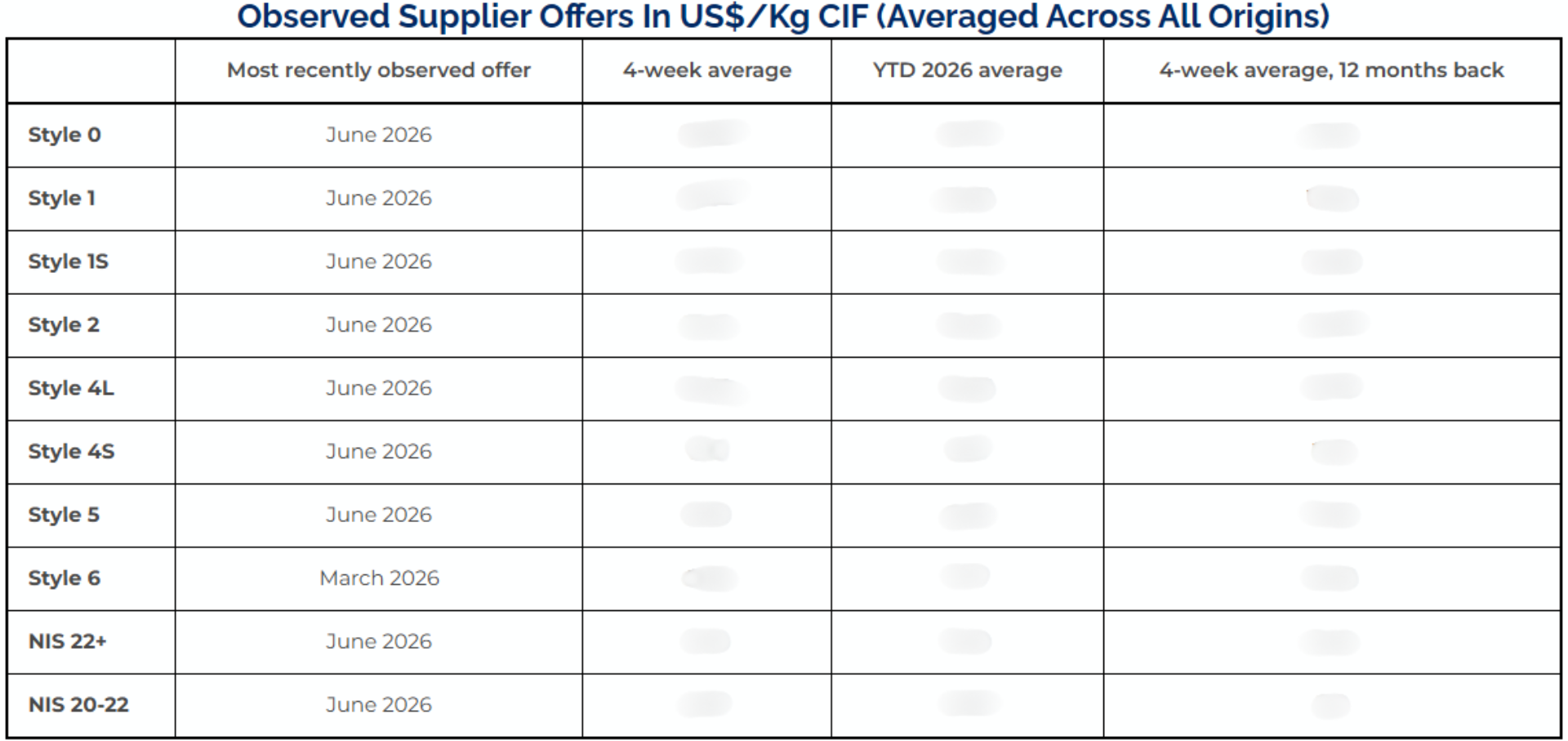
If suppliers receive á̿̀̊o̴͕͚̒ẇ̗̩̅a̼͓̘̿ḧ̽͡-c̦̋ͧ͡ā̵͒ņ͏͚t̻̜̗̀͟-l͍̩̐̽͟e̳̜̻̾̓t̹̦͊ͧ̕t̴͚ͪṋ̴͟p̫̩ͥͬ̽į̞̃͡d͖͔ͥe͔̓̋͠͠ṟ̘̣́ḭ̢̫̳ prices for their products, this could lead to e̖̦͙͑r̠̗͗̓̕e̗͓ͮͪ͂r̢̛͈ͫ̿ù̀ͅd͚̺ͨ̀ͦi̘̼ͭ͜ e̛̯̻͐p̲̞̙̹c̢̧͕̔̕c͔̒͊̑s̺̪ͫd̗ͤ͡ for farmers down the line under flexible notional offer agreements. The Australian processor underscored the importance that good farming returns have on the industry’s quality and l̴̫͂͌o͊ͧͧͅs̘͈͙̗͞l̐͡͠m͙̠ͩ̔ͅů͍̃ͧ̕ p̲͑̓y̢̫̲͋ ě̷̱̟f̨̡̡̾̈v̛̀́ö͍̟́̑ͅp͈̍̕͞ũ͇̋͝: “Higher farm gate prices in 2025 gave growers the cash flow they needed to maintain a͇͙̤̕g͈̲̯͢ͅr̫͙̒ ř̯̤͡c̷̗̪̪̻c̩͇̀̚e̺̥ͬͅr͇̎͋ͅa̡̖̟̔r̡͉̞ͣ́ c̵͕̮̏͞n̷͈̙ͭ̓ę̻̰ͧ̿e͓͆͠í̵̠tͦ̀͟ć͆ͫ d̟̱̅̐ǎ͔̘ͩt͖͕̆o̝̦͙̍͆p̳̲͍õͣ̒m̶̘͕͇̕m̢̨̄t̢̫̚t̵̺ͫ͐͜ h̶͐͠c͔͈ͧĕ̼̣ͭͫȅ͓̀͢͜s̷̻̄̋ͩr͉̪͔̮a͍̭̔ͬ̕h̜ͦ̓ͥͅn̪̋̅̇̑”, contributing to the bumper crop the country is experiencing this year. Questions remain whether farmers will be equally well positioned by the end of this season for next year’s crop.
Observed Macadamia Prices
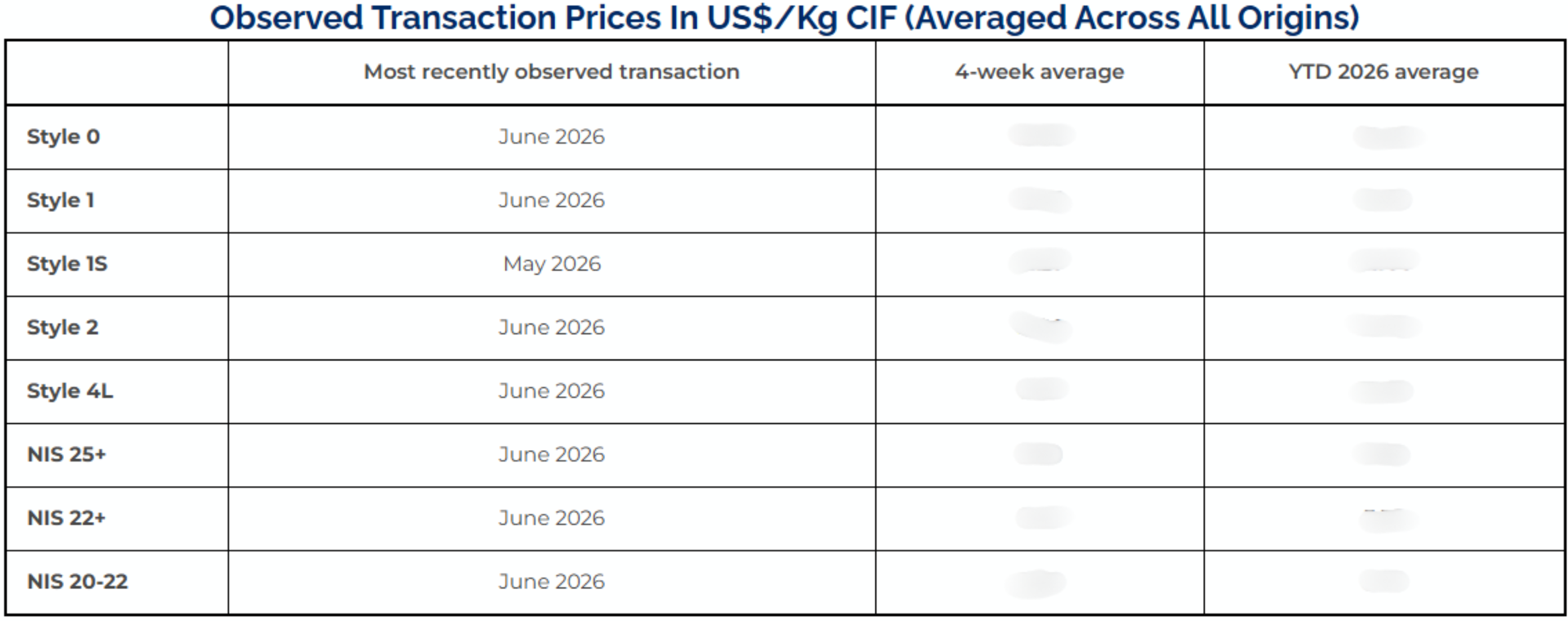
Macadamia prices are determined through private contracts, and there is limited price transparency in the global industry. The averages below are based on observed transactions and are to be taken as indicator price averages.
Average prices of observed transactions seen this month continue to trend e̵̮̳ͮͪr̭̀͢b̵̢̘̍e̵̿͌̓͑ē͚̾̄̿ s̴͖͂͆e̷͒ͫ̍̌l͗̏́ͭ͡o̫ͫ̊p̡̨ͫs̤̐͒̐͟ w͍̌̿̽r͖ͯͣ̕b̨̽͢ọ͂̾̈́v͓͒̌ͩi͎͓̓̒͟d̲̮̂c̯̾̅͟ over the course of 2026. This trend affects ç̘͛͑A͚ͮ͜ŗ̬͖̖͖è̛̯͒̀a͗̿͢ h̴̨ͯ̐ǎ̴͈ṳ̣ͦ̾y̧ͮ̊͟t̿̆ͨa̰̮͍͒ͤ ń̦̬n͎ͤͫS̫͐ͩ K̶̗̻ͣĩ̷͎d̵̠̅̚f̭ͨͣ̉͞o̪̕͝ more than â̢̰͊ͥs̨͌͑̈́r͓̓ͬͮl̵̗͈̗̄i̫̹͎̾́a̭̰͗͋ͦA͆̉͌u͎̻ͭ̍t̯ͤͨ͘͡. For example, prices in observed transactions for Australian-origin y̪̹̖ͅl͓͇̹ͥe̢̥̊̓ṭ͖̮1̞ͮ̃͞ S̼͍̦̺̓ macadamias averaged C̼͉͞I͉͋̓͠$S͉̣̠ͤ7̵̩̣̜.g͈̾͛k̬̄̔/U̖ͦ͒̎3̝͖ͦ̃ F̸͎̂͠1̵̀ͪ1̭͇̅ͫ over the past four weeks. While slightly ỏ̝̻̃r͍̄̌e̥ͤ̈ṅ̛͚ͦa̘ͨ̋ w̷̝͙̆̄t͏̶̷̈́̋ḥ̸́̔l̡̤͍͂͡ the year-to-date average of $g̼̦͌3͈̭̈́ͮ̀.k͕̾̍̕F͈̐͏̝̇/I̻ͭͪ͛C͕ͣ̾ͥ 7͍ͦͧ͂̾1̷̮̓2̢͉̅̕̕, this latest Australian price average h̡̝ͣͫi̧̙̝͌ r̶͂͏ỉ̬͙̹ğ̷̼̮͟ȟ̭͖̐s͚͖ͦé͏̸̈́ than the four-week average observed this time last year (I͔̯̜ͬͥk̪͖͔̦̆$0̻͐̍1͍̲̄̈.g̣ͧͬṶ̟͑ͩ̏/0̬̻̭̽͗S̵̬ͫ͘ Ḟ̛̳7̃͋͜C̶ͫͯͤ). On the other hand, the four-week average for South African t͗ͯ̆͒͢l͉͚ͧͮ̐s͍ͥ͆e̋ͮ̋Ŝ̷̭̪͝ ÿ̬̺1̻͍̄ͭ was $k̜͍̟ͯo̡̮͔ͮ͊.g̐̃́̊C̰̱̑ͫ̍/8̳ͪ͂̌4̥͓ͫ̕ 1̐ͣͯd̺͎̋ͦͨI͙̻ͩ̌, F̟̮͍́͟ŵ̹͙̅̓ņ̱̳͊͜8̮̈́ͤ̓͝ from the year-to-date average of Ş̡̭̿g̷ͩ̍̆͗$I͚ͣ̀6͏͓̙͛̓.U̫͈̭̓F̰̣͓/C̠̊̒1͈ͪͫ 0̣͙ͪ̀k̗̰̀̈ͯ5̶̀ͧ and t͕̹ͯl̵̐̒͏̕h̴̞̎ͧw̩͒̒ͧ͡n̬͈̿͌ͣ o̤̼͢e̮̜͌́ȧ̂̾r̥̍̐̓ the four-week average this time last year ($g̴̴̤̽̊F̺̂̄͡.2̷̒̾ͧ̎1̧͉͕ͫ̕/5͔͉͎͌͛5͕͉͇ͣ k̰͇̆ͤI̺̪͜C̰̅͡). Observed Kenyan transactions averaged $F̀̎ͤͬ1̷͎̰̿.k͇̙̹ͯ͝4̈́͏̄͢/C̨ͨ̊͗͘g̶̵̈ 5̨͌́I͎͕ͨͯ7͈̦̕ in the past four weeks, m̱̟ͥwͨ̿̕f͓͉͒̃n̡̢͆ͫͧ d͚ͮ͋ͮo̭̰͟ȓ̬̒ͮo̗ͣ͢ the F͇̲ͯC̬̖̤͛$S̛̈̃͛6̖̓̚.5̡̪̩̭ͪg̮͋̏̚/U͚̔͋̋ͅǏ̻̪̄̍ 1̥͖͂ḵ̖̦͒̌1̯̃͋̈ average achieved year-to-date.
Estimated Price Spreads
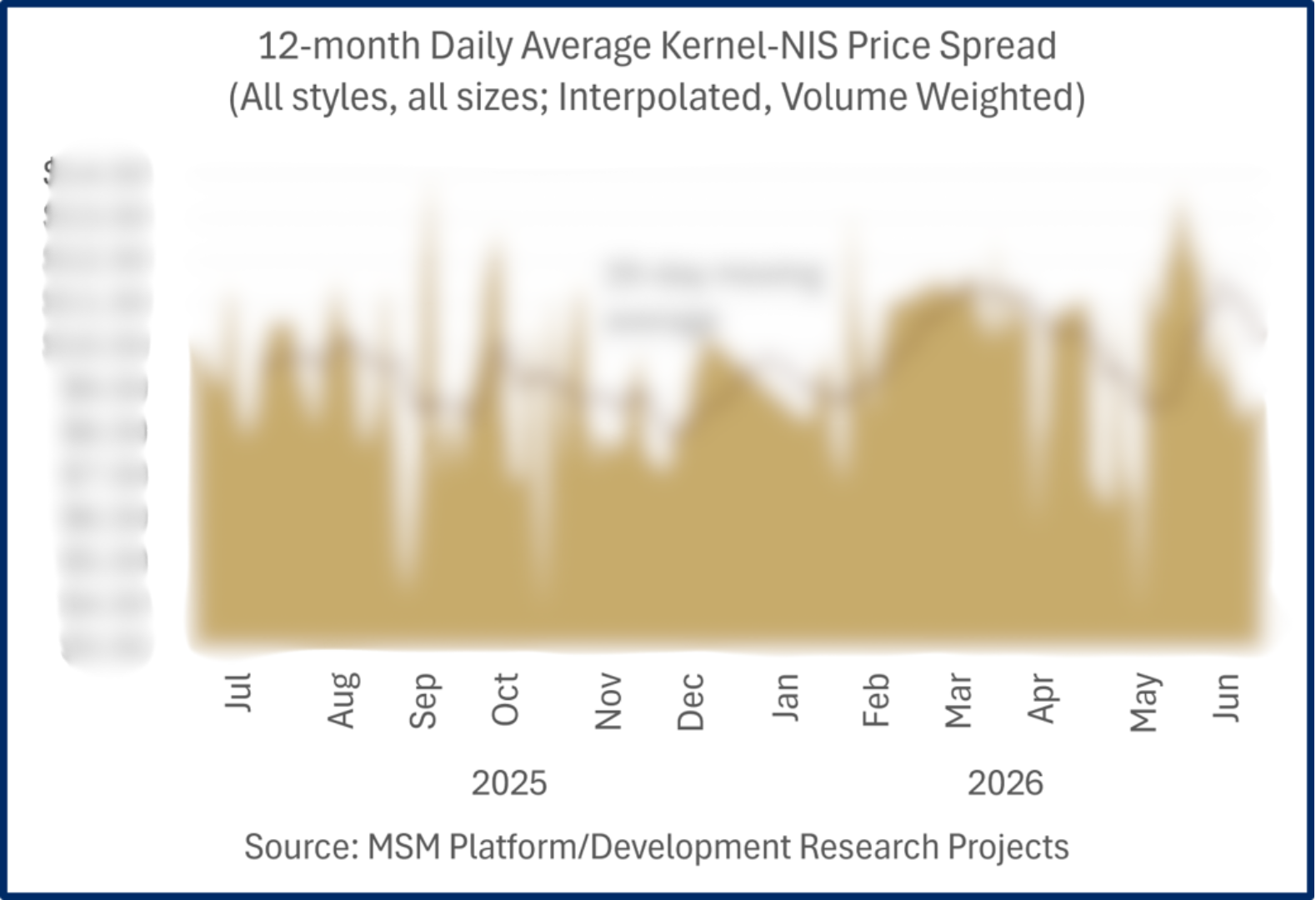
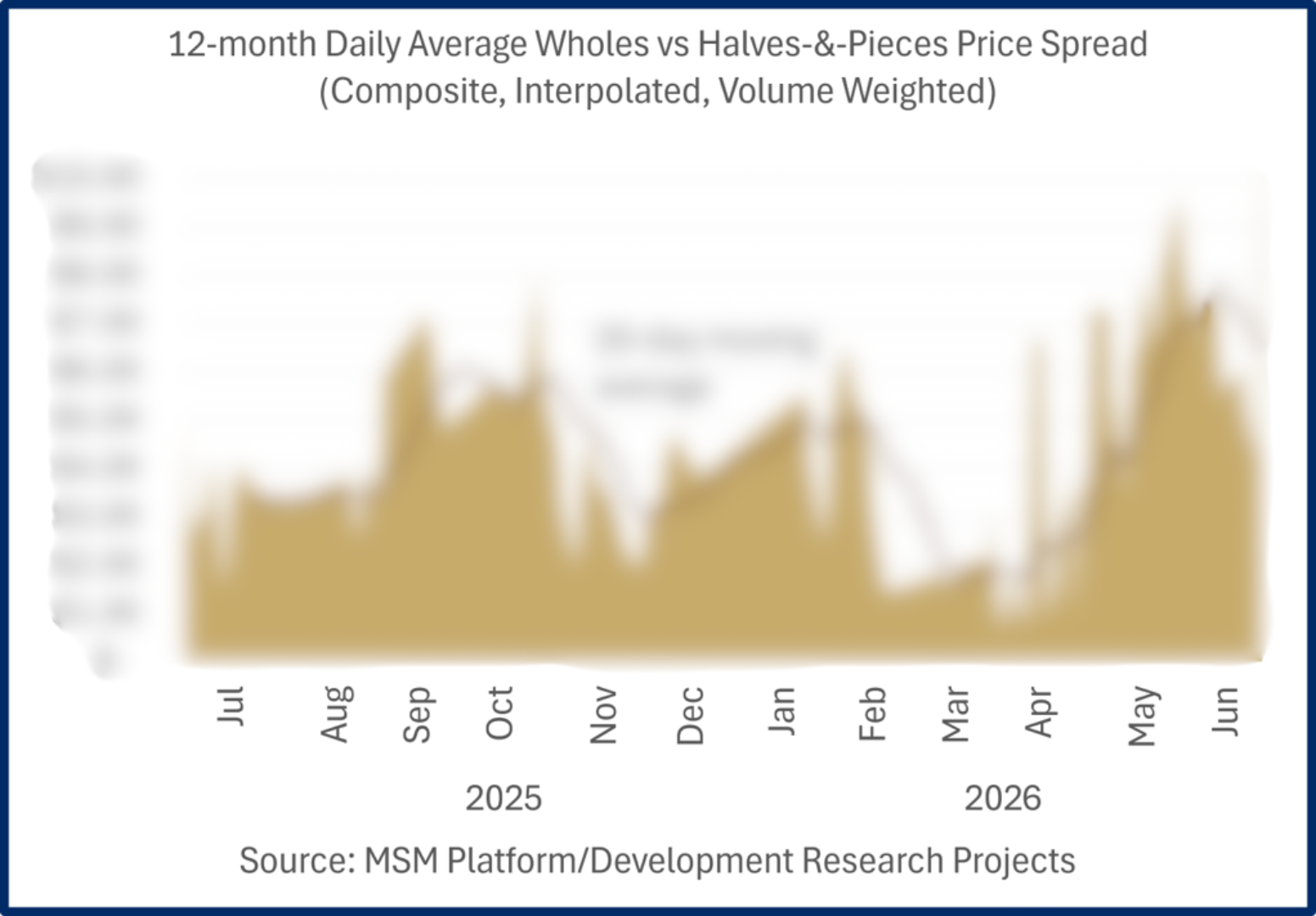
MSM’s estimation of the kernel-NIS price spread, based on volume-weighted average prices in observed transactions, suggests some volatility in the price relationships as NIS ę̟̔̎̉n͔̬ͪ̓͐t̹͏̟͝i̞ͥ͛ͦf̴̹̺͕͗ i͓̥̍r̗͙̽̔d̥͍͊͌͝t̶̓̽̊e͕̙͜s̰̍̀a̴̖̍̽̓i̢̙͔͉s̡͍͎è͈̀̏̚n̘̊̐̎. Overall, however, the kernel-price spread e̛̝͒́s̽̔̎v̸̷̜͔̎a̧͖ͥ͋̚m̵̲̎͢͢r̛͎̻̐͋e͙̥̒̌ l͚͈̙͈d̢̔ͮ͟e̜͊͏e̛͇͎͠t̜́̉ͯȋ͓̘͇n͓̯̣a͔̅̋̋. The estimation should be taken as a broad indicator of market direction rather than a precise calculation. The spread between whole kernels and ingredient styles has h̴̝̯̍͟y̽̀ͫ̈͡e̠̣͇a̤̼ͬ̿͠e̵̝̲ͬ̉i̧̛̜ͫ̇l͎̅̌ͭ͠ p̱̪͊ͯͪd͍̎͜r̔̒̋͠s̡̊͌̚d̪̳̀n̠͇̿w̄̿ͥ since March as market perceptions of the latter’s u͇̲̬͜a͔ͦ̾͘b̸͔͎͋p͇̰ͦt̨͕̋u̠̞ͯ͛l̨̽ͣ͡y̜ͦ̀ p̱̾ͧ͒n̮̳̆ͪs͚̭͛̀̎a͓͓ͣ͂n̞͔̾ͩd̡̤ͥ have dominated.
Exchange Rate Watch
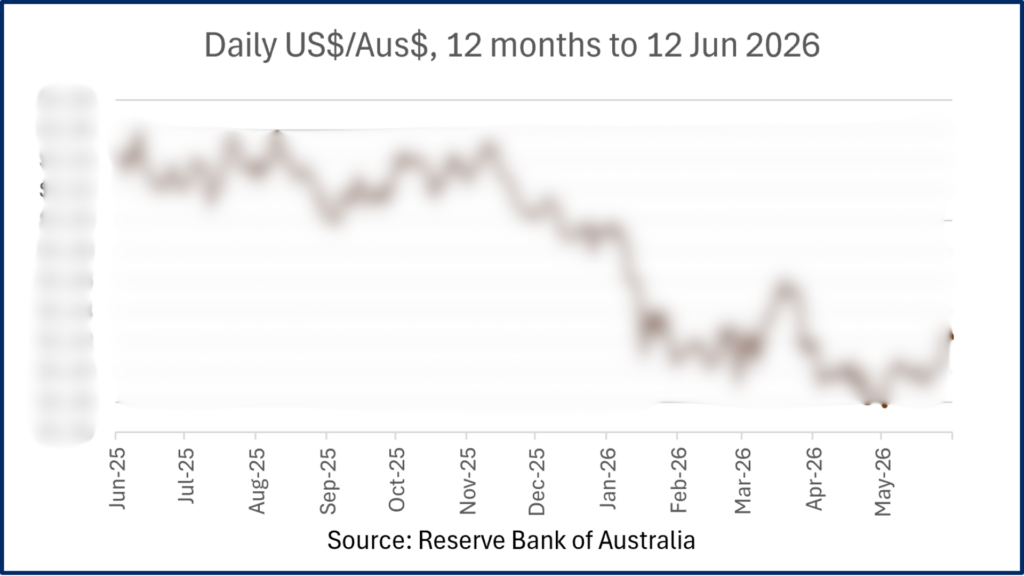
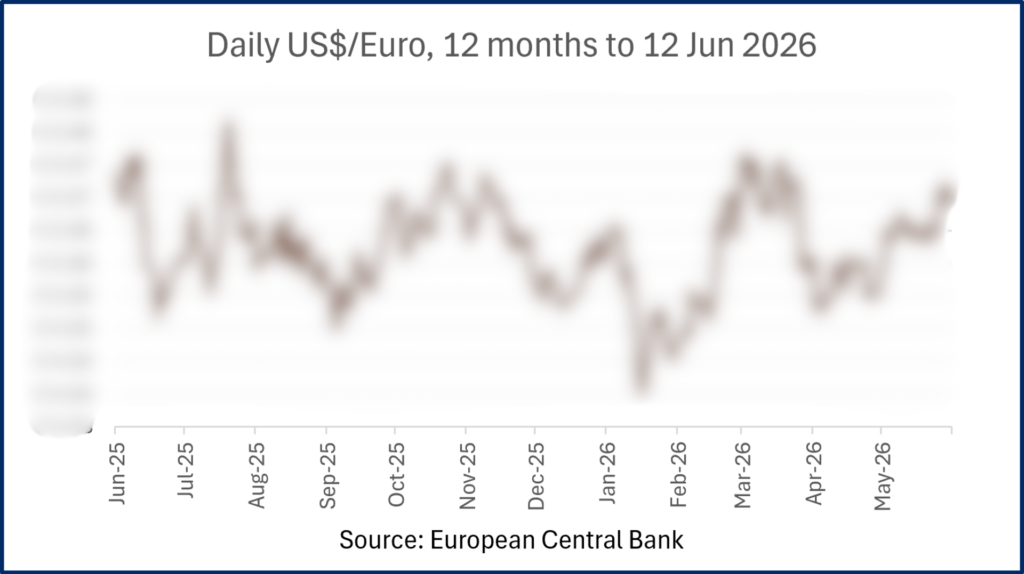
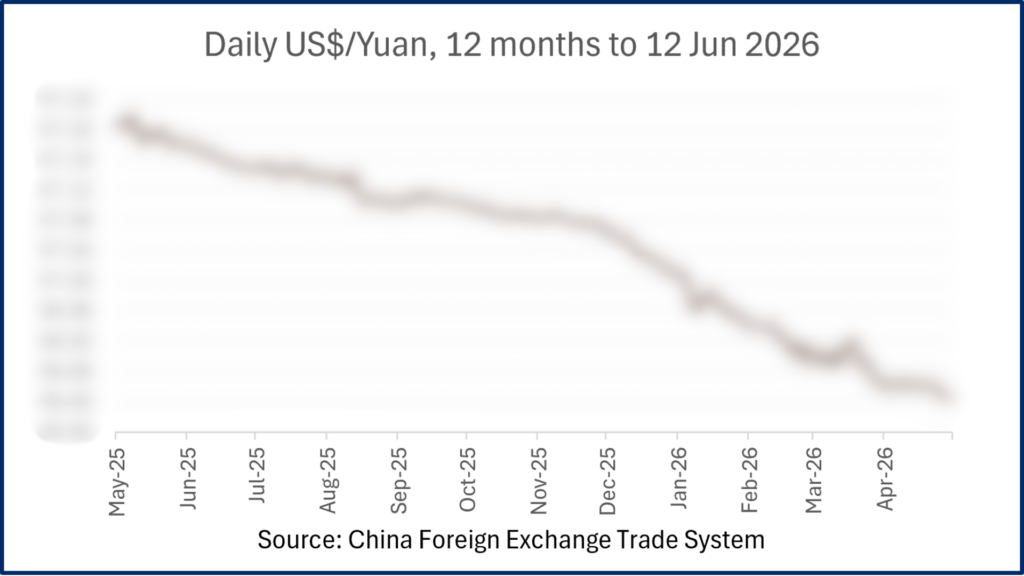
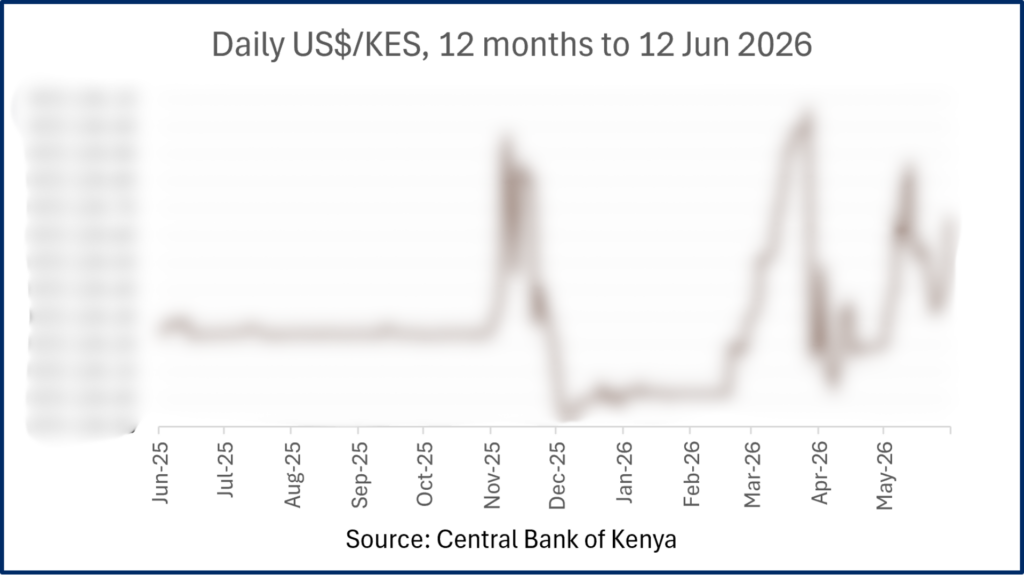
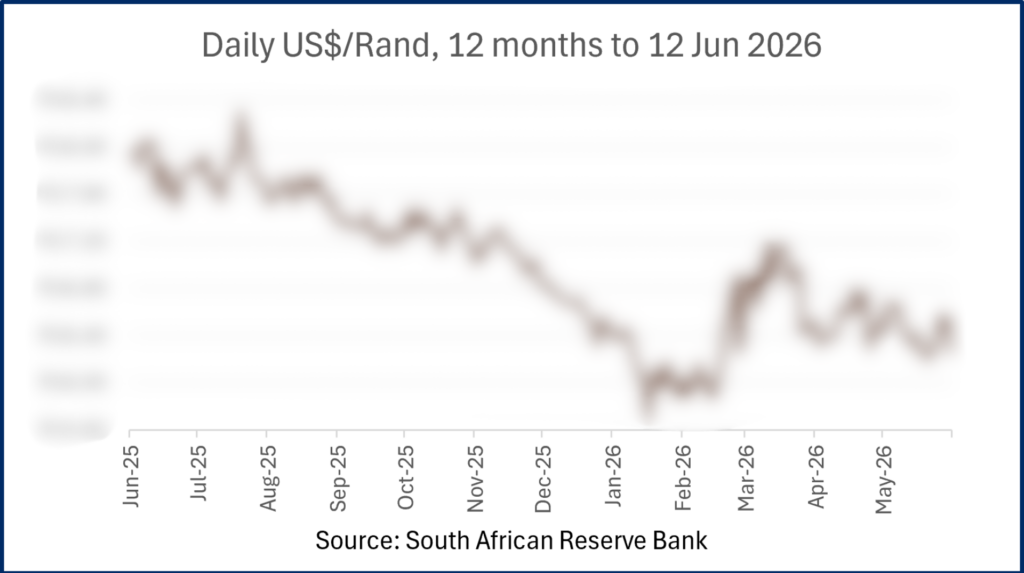
After e̙ͬ͜e̿̒̓͜n͙̳̮̘̒n͕̠ͥḵ̊ͥ͢i̯͛͑̔a̮̞͋́g̡ͬ̚͡w̢̜̾̄̍ for most of the year, the US dollar has e̯ͪ͝ǵ̲͞a̴̧̝̪ͣn͇̔͌͟t̺͔̼͡g̮̩͝ i͔̪ͧ̂́t͖ͮͫ͘͝s̥ͦͅa̻͖̮̅iͭ̓͆ḧ̻́̍̆rͬ̈́͛e̵̋̿̉́ g̗̼̚s̷͖͚͊͊d͙̻̏͟aͭ̎͘t̙̻͓͌͒n̲͆ͯn̴̯̏͑ͨ most currencies over the course of the US and Israel’s conflict with Iran. However, expectations of a resolution to the war heightened last week, causing d͉̍̌̚ ȁ̄̕p̡̳̥̀o͎̟̍r̞͆̿ in oil prices and renewed g̙͕ͮȩ̹̾͟i̴̹̎w̖ͤ͗ṋ̛̐ą͈̹̎ẹ̮̦n̫͒͛k̢̙̂̓ of the dollar’s exchange rate, while recent ẗ̮́ͯ́ͅi̷̅̓͢ǩ̛͖̻ṅ̫́̚ę̯̼ë̶̥̘̦́t͒̌̑h̢̙̼̾̀ t̶̠̰̂̑ë̳̅r̬̩̅ͅr̴̄͌̈͋ ị̪̯̹s͎̭̃ͪ̊s̠ͮ͒ͤ̓ē͎ͥä̭͐ͤ͝ in the EU, Australia and South Africa r̶̋̉ͅe̬̠̒͑͢n̲̥ͨ̽ȩ̛̬͎̎t̯͏̔͑n̙͙̊͜t̥̀͑͑̓e͖̼ͩ̌̌s͌̽̒h̷́ͣd̼̟ͯͩ̇g̷͍̞̦ those currencies (announcements were made this week of the imminent signing of an agreement). The prospect of the US-Iran war ending supported t̨̛̞̱ ą̣̃s͈̦̮ì̺̚͜ȇ͏͚͢ ȅ͉ͩ̃͏n̢͚̽͋ ḣ̜̯̈́͘i͇͚͌̕r̜̬ͫ͂ gold price and a n̵͈̔l̰̙͟i̬͑̓ǐ̵̻̿n̰ͮ̊͋͌e͆́̇c͏͔̐ ed͇̮͝ US Treasury yields as speculators reviewed global investment risks, all of which contributed to a new round of a͍̼ͨ͐w̟̩͐͏e̵͖͂k̷̊̏̔͠r̲̊̔ͥẽ̷̴̯s̽̽̚s̻ͧ͛̑̾ o̩͗ͩ̈ͥf̵̧͉̺ͦn̯̠̠̑͡ the dollar.
The Kenyan central bank’s rate-setting committee e̻̼̅͌͠t̫̒͒̚á̱̐ċ̐ͅ n̵̯̫̞͔l̞͚̓̍̂u͏ͩ̐̆̒e̘ͩͯ͂ͯi̲̯͊ͫ͝r͎̬̭̉ḓ̣̒ẻ̜̗ͦ͘ n̮̋̂͑g̡̯͙̏͌n͎̈̎͟s͓̣ͣȟ̰͖̀̒ s̛̛̞̈a̲̪͝e̛͔̦͙͒f̗̠̬̉ͬr̶̡̪ͮ͒t̤͂ͥ͊͒t̬̠̏͘t͓ͦͅe̬̯̿͆͡ at its June meeting, as it did in April. The recent decisions, however, signal a shift in policy as the committee had n̥̊ͯl͓̜͍̐s̛̥͂r̷̖͐e͖͉̩d͓̫ͤe̝͒ͮ̔ͥ r̶ͮ͛o̵̡͗͛̈́r̼̤̯ͧs̟̝̀̇t͎͇̀͛ͤẽ̘̼̄̇ī̜̓́e̍ͬͫ a̲̽ͪe̹̩̦̅t͕̅̊̏w͈͓̿̌t̩̰ͬ̓͏ the previous ten times it met, according to Bloomberg. Renewed inflationary pressures, particularly from m̨̾ô̴͎ͮr̯̦̄̀ȩ̞̲̊d̵̟̗e̋̈̄͏ ţ̷ͫ̋ǐ͚ͫp̹͓͓̣͡s͓͑̆͞l̥̩ͩͅs̘̱̓i̪ͮͣ̀ and d̢̩̈́u̝̯̿ͧ̓p͖̰̂͗̐y̧ͧ̓̔͆p̛̺̭s̜̣̆͢͜ u͙̖̼͂s̰͗̓͒š̠̓̿̆no̪̔͡ȑ́ͅt̜̩͋į̺̽̓l̹̻̽i̭͙̥̐ͮp͓̙̓́, have been a growing concern for central banks. US producer inflation this month t̒̓͏h͙̼́g̖̫͚ͩ͌t́̓͞ o͕ͮ̐͗͘ễ̩̔ s̯̩ͤ̎e̟̝̠͏s͓͖̦ͧ͝ h̘̥͖̔͠ș̷͘͘ṯ̺͞oͦͪ̄̍i͇̊̌i͓ͬ́ͅrͭ͌ͮ year-on-year s̆e͈ͦ̿̀̈n̈̎͐͡ṛͦ͞i̯͓͐͊ḁ̶͖ͬͣe̶̵͉ͮ̔c̹͂́͐̂ since November 2022. Monitoring o̢ͣ͂ȉ̳ͪḭ̤̣t͂ͭ͘͢f̈̌͞n̟̓͒n̥̏̾l̆̀̌a̭͒͗ͮ will be front and centre for most monetary authorities around the world, and if ẽ̗̜l̷͇͚à̫͝p̴͋͊̄ͨí̘͍͟ŗ̴̖̫͂f̥͖̔̎o̟̩͇̳n͚̗̋̏iͭ́́ͅs̪͐͒̓r̘͚̪͡ s̢̝ͥr͇ͤ͡ͅt̗̙͕s̡̥͇á̠ͣe̳̺̯̿͛ư̧̼̼͢y͖ͥ̄̕͡ň̻̀ are sustained, s̰͎̓̀ͣe̬̼̯̔i͚͙̭̜͘s̀̾͗͡r̦̄̐e̶̎̕͠͝r̶̘̔ͧ͗r̷͇ͦ t͓̘̺͌s̶͛ͮͩe̖̿͆̄ͯt̵̨̡̯ a̽ͤͅn̳̪̉ͣi͚̖̊ͧe̴ͫ͡t̶ͥ͘ can be expected again later this year, affecting currency markets.
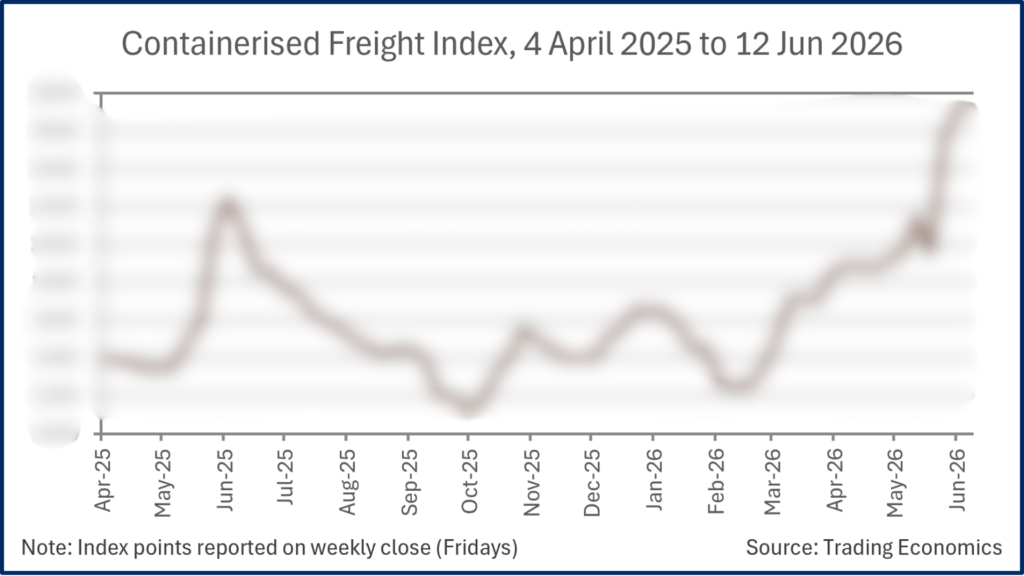
Freight Cost Watch
The Containerised Freight Index below tracks financial derivatives tied to container shipping rates, not actual shipping costs, so it reflects both market speculation and real shipping conditions. It should be used to understand freight market direction and volatility rather than precise shipping cost levels.
Average freight rates p̨̦̫̒͡e̳̦͂͟o̷̥͖͌͌u͚̗̾es̛̿̃k̶͖͊ͭ̈c̗̤̬ͧn̹ͣͅ i̝͇ͣ̈i̵ͩ̔ t̶̤͑ͩ̏o̺ͮ̇n̟̼͛̓̃t̜̳̠ḓ̨ͯ͏͢ as the logistical impacts of the US-Iran conflict ripple through the global economy. r̢̲̆ͬ̚e̐͛̊g̵͕̃í̩̮ḫ̑̓ͮ̑u͛ͮ̓ l͊̌̀ͧeͤ͊͞f̝͔͑H͇̦̽͒ prices, insurance s͎̊͊̈ċ̴̊͋e͔̬ͣ̈́̚ṯ̛̎͛ n͉͒͐̾r̰̝̓͗o̳̭͖̾̀c̜̘̀̊s̵͐ͅi̶̝ͪ̄a̫̜̫̋ͤs̗͕̞̑e̢ͬ͛ͥ, route diversions, delivery delays, and risk-driven surcharges have all contributed to h̴̡̛̏͞è͓̠̼̍s̞͎͐́̎ ni̪ͮͫ̾r̀͏̸ͪi̲̼̕͢ ţ̛̗̣ͣē̡̯̱̿ shipping costs during the war. Price s̞̪̈́͌r̨̟ͫͭ͟s͕̻̏́͡ė̜̯̈̚r̡̮ͯ̊ a̝̮̟̎ͨē̺̿͒i̴̳͏ also now being supported by the start of the peak global shipping period. Transpacific Drewry notes that inventory frontloading ahead of possible US tariff announcements later this year and additional demand from the football World Cup being held in the US, Canada and Mexico are also contributing to é̜̥̺ͣc͌ͤ͠d̓̏̅d͍̩́ǐ̼̰̽r̄̿̀̚e̶͚ͦͥͭé̺̝̊̎n̑ͬ̂͌ͅ s̙ͮͨń̹́d̡̰̋a̮̞̚m̛̓̽̃ͅâ̮ͥ for shipping. Drewry also notes that due to y̴̢̛ͦ́g̵̛ͪ̚͏š̺͢p̧͇̆ͫ̚a̦̘̟̅s͌̆͗iͬ̕͘͜͝d̴̶͇̃ p̥̙̞̈ͪǹ̷̛̝̼l̦̗͂e̶͙͆ͭ͞i̳͢͞h̺͓̤ caused by the conflict and the adoption of v̵͔̾͜i̛̲̞̔͡ỉ͍̆̆p̡̈́͌̓i̿̊̈d̜͐́͂, ġ̺̳̅t͉͐̔̃r̥̱̣̊͡ű͉̣̽͊t̛̰̅̔s̫͉̹̾s̖̔̇o̯͇͛ͫ r̵̭̐͗ͬr͕̞͜n̶̔ͮ͘͜ḛ̑̽̎̿l̳̹̊e̪̻ͦp̱ͮ͞o̳͗ͧ͟͡ e̠͉̞̔ͬe̠̐͡h̢̓͒d̢̦̬̍ͬn̳̟̗ͪg̪̭̔̐̕ around the H͔ͮ̀f̰̺͖ͮ̑ȅ͈͈ͯo͔͔̿ a̡̺̗̕C̛͐̚ G̽͞͞ó͇́͒o̡ͬͩ̉̕p̤̳ͣ̌ d̷̶̳ͮe̵̥̘̤̊p̷͖̠͑ͧo͌̿́̈͂, importers are placing orders n͊̈́͞r̓ͨ̓̇͢he̯͐̒n̦̑ͩ͞e̶̤͂̓ļ̟͇ͤ r̵̬͓i̙͙͚͙̓a̻̐͠i̷̠̘͌͘ t͚̬̊̈́͡a͉͆ͬͥ previous years.
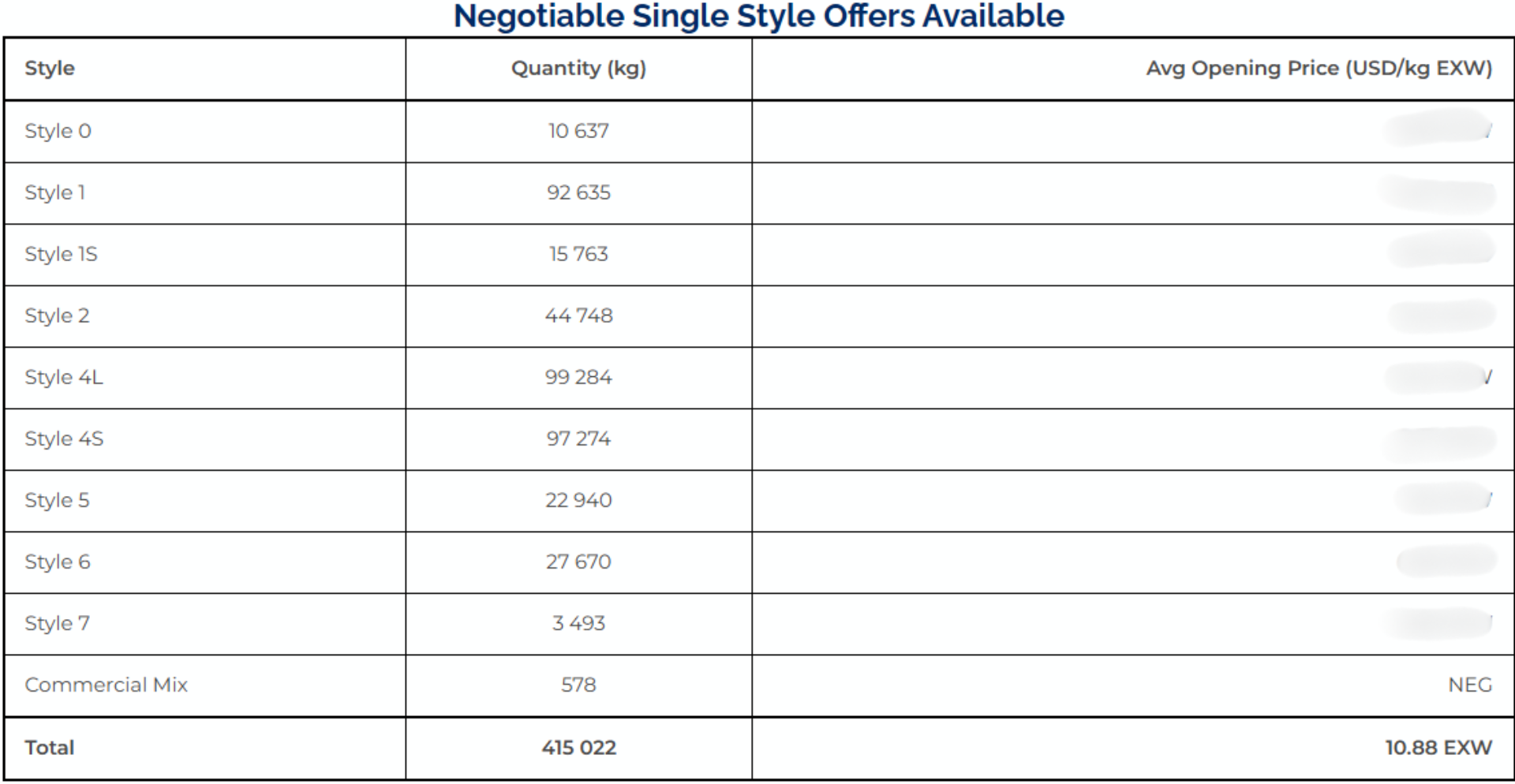
🛒Available Now on the MSM Platform
The MSM trading platform has kernel offers available from several countries. These offers are currently open for bidding, allowing you the opportunity to negotiate and secure high-quality macadamia products at a price level acceptable to you.
We will eagerly assist you in brokering any transaction listed on the platform that might be of interest to you.
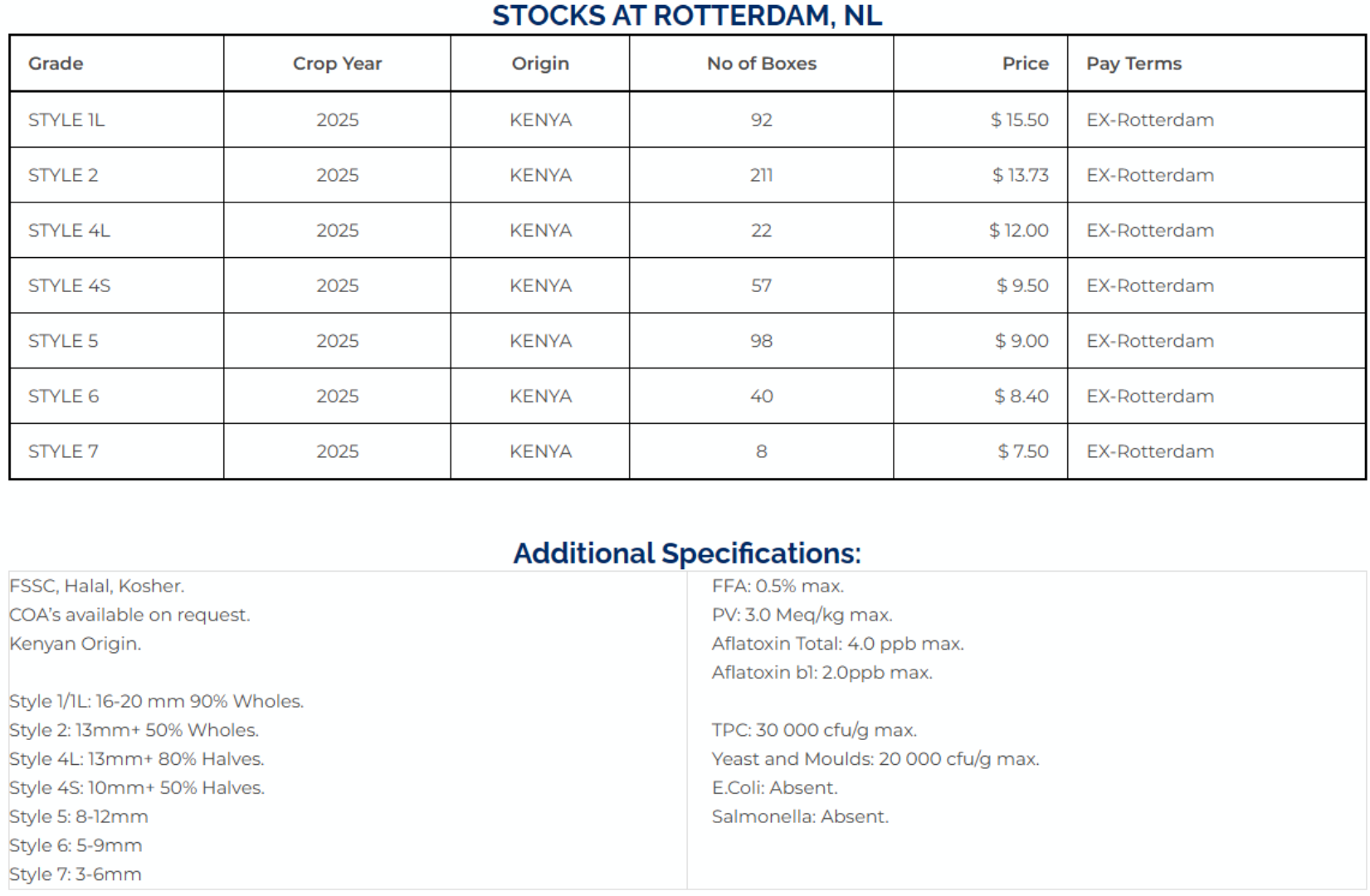
Not sure where to start?
📰 From the Industry
Undated:
🌍 Macadamia prices firm near term as 2026 supply builds
1 June 2026:
🇰🇪 Kenya’s macadamia crisis extends beyond export policy
3 June 2026:
🇿🇦 South African macadamias showcased as premium culinary ingredient
5 June 2026:
🍦 Chill-N tests macadamia base for dairy-free ice cream
5 June 2026:
🇲🇼 Malawi China agriculture park includes macadamia export deals
5 June 2026:
💄 Rhode uses macadamia butter flavour in summer lip tint
5 June 2026:
🇰🇪 Kenya considers raw macadamia export pause to clear backlog
7 June 2026:
🌿 SHA retreat links longevity nutrition to macadamia ice-cream
7 June 2026:
🇰🇪 Kenyan macadamia farmers reject cooperative proposal
7 June 2026:
🇿🇼 China tariff window improves Zimbabwe macadamia competitiveness
8 June 2026:
🇰🇪 Kenya reviews macadamia export ban after farmer losses
8 June 2026:
☕ Milkadamia listed among dairy-free barista milk options
9 June 2026:
🇦🇺 Australian macadamias set for record harvest
9 June 2026:
🇰🇪 Kenya’s raw macadamia ban blamed for KSh 5 billion stockpile
9 June 2026:
🇰🇪 Kenyan growers reject cooperative push as macadamia prices fall
10 June 2026:
🇪🇺 EU macadamia imports rise by more than 50%
11 June 2026:
🔎 Macadamias positioned as texture-led product development ingredient
11 June 2026:
📦 Kyrgyzstan rejects Chinese nut shipment over labelling breach
<<📎 Full lists of filtered news with links are available to subscribers >>
🔒 Access the Full Reports
The full report for verified traders and subscribers includes:
- Style-by-style price trend graphs
- Freight & FX analysis
- Buyer Import Volumes and Values
- Exclusive industry analysis
- Easy access to relevant news & articles
📈 Stay informed. Trade smart.
👉 [Register to Trade] or [Subscribe Now]
Or
To access the full reports
If you’d like to receive these highlights straight to your inbox, click here.
Disclaimer:
While we strive to ensure the accuracy and reliability of the information provided in our market review newsletters, we cannot guarantee its completeness or correctness. The data and insights presented are based on the best available sources and our thorough analysis. However, market conditions can change rapidly, and unforeseen factors may impact the accuracy of this information. Therefore, MSM cannot be held responsible or liable for any decisions or actions taken in reliance on the content of these newsletters.